

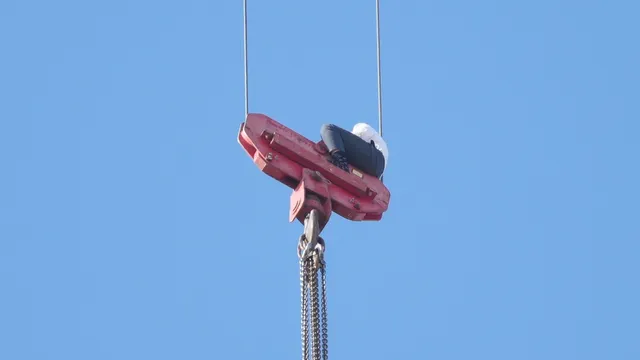
Teen rescued after dangling from crane in Jerusalem for hours
Teen rescued after dangling from crane in Jerusalem for hours
- A 15-year-old boy climbed a crane in Jerusalem at midnight to see the view.
- He was found dangling for seven hours before emergency services arrived.
- Fire teams successfully rescued him, highlighting the need for safety discussions.
Story
In Jerusalem, Israel, on November 23, 2025, a 15-year-old boy found himself in a perilous situation after climbing a crane at midnight to enjoy the view. His decision led him to dangle from the crane for seven hours, creating a dangerous scene high above a busy urban area. The teen was reported to have been on a small platform connected to metal cables as his only support. This incident drew attention from a concerned bystander who alerted the fire and rescue teams, prompting a swift response. Emergency services arrived in the morning and maneuvered to reach the teenager. They scaled the side of the crane, showcasing their quick action to bring him back to safety. The boy's story highlights a concerning trend in the city, where young people are increasingly involved in scaling high buildings and structures. Fire official Eyal Cohen emphasized that this was a serious incident that concluded with a fortunate outcome instead of a potential disaster. Rescue efforts not only involved physical courage but also highlighted the critical importance of swift emergency responses in life-threatening situations. Following the rescue, discussions around the safety risks associated with climbing such structures in urban areas have been reignited, prompting local authorities to consider measures to prevent similar incidents in the future. Authorities agree that while this incident ended positively, the underlying behavior of climbing cranes poses significant risks to young people and can have catastrophic consequences. Community reactions have been mixed; while many are relieved the boy was saved, others express concerns about the motivations prompting young people to undertake such dangerous activities. This rescue may serve as a wake-up call for parents and guardians to engage in conversations about safety and the perils of risky behavior. The boy's resilience and the firefighters' swift response brought a miraculous end to a tense situation, but it opens the door for broader discussions on youth safety awareness and the influence of curiosity in decision-making.
Context
In urban areas, youth often face unique challenges that can impact their health, safety, and overall well-being. As cities continue to grow and evolve, it is essential for communities, policymakers, and stakeholders to implement comprehensive safety measures that address the specific needs of young people. Effective safety measures encompass not only physical protection from crime and accidents but also initiatives that promote mental health, community engagement, and educational opportunities for youth. Understanding these multi-dimensional aspects of safety can help forge a more secure environment for young people in urban settings. One crucial area of focus is the design and maintenance of public spaces. Parks, recreational areas, and sidewalks should be well-lit, maintained, and designed to encourage safe usage by youth. Cities can implement strategies such as enhancing community policing efforts, increasing surveillance in high-risk areas, and establishing programs that prevent violence and crime. Additionally, active community engagement is paramount; involving youth in discussions about their safety can lead to tailored solutions that directly address their concerns. Programs that foster youth leadership can empower young people, making them advocates for their own safety and the safety of their peers. Moreover, integrated partnerships among various stakeholders—including schools, local governments, community organizations, and law enforcement—are vital in creating a holistic approach to youth safety. Educational programs that focus on personal safety, conflict resolution, and emergency preparedness can equip youth with essential skills. Also, schools should collaborate with local entities to provide safe routes for students commuting to and from school, as well as after-school programs that keep youth engaged in supervised and constructive activities. Finally, promoting mental health resources is an integral component of ensuring youth safety in urban areas. Access to counselors and mental health services, combined with peer support programs, can significantly reduce instances of violence and risky behavior among youth. By acknowledging the importance of mental health, urban areas can not only respond to immediate safety concerns but also foster long-term resilience among their youth. In conclusion, a combined effort focusing on public space safety, community engagement, integrated partnerships, and mental health resources is essential in creating a protective environment for youth in urban communities.


