

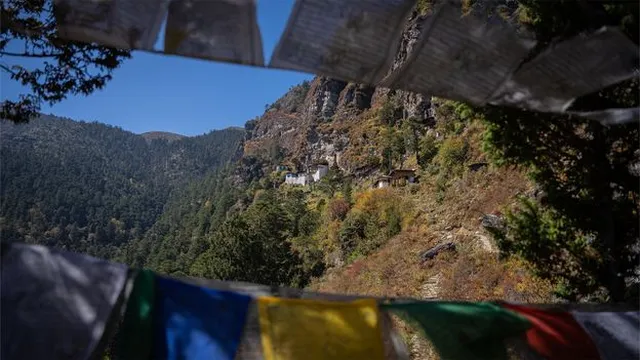
Bhutan finally opens Haa district to tourists after decades of isolation
Bhutan finally opens Haa district to tourists after decades of isolation
- Haa Valley in Bhutan opened to tourists in 2002 after an extended period of closure for military and cultural reasons.
- The area offers unique cultural experiences, including traditional homestays and the only tourist-inclusive Buddhist festival in Bhutan.
- Haa's limited development aids in maintaining its historical and natural integrity, contrasting with other more crowded tourist locales.
Story
In Bhutan, the Haa Valley remained one of the last unvisited and secluded regions until it opened to tourists in 2002. This area, situated along the rugged western frontier close to the Tibetan border, stayed closed for many years due to its strategic military significance and cultural preservation concerns. With the Kingdom of Bhutan restricting foreign visits until 1974, the Haa district specifically underwent an extended period of isolation, allowing it to maintain traditions and a way of life largely untouched by modernity. The opening was part of Bhutan's gradual approach to tourism, aiming to preserve its unique cultural heritage while offering a glimpse into its historically rich landscapes. The valley hosts numerous attractions, such as the ancient Lhakhang Karpo monastery and the unique Ap Chundu procession festival, which is the only one in Bhutan where tourists can participate. Visitors can engage with local customs more intimately through homestays, where they experience traditional cuisine and village life, such as crafting popular local dishes like hoentey. Haa Valley's sustainable tourism development includes village homestays and eco-camps, with limited commercial influence, preserving its environment and cultural way of life even as more tourists begin to discover this hidden gem. Travelers can reach Haa from Paro Airport via scenic routes, including the Chelela Pass, which offers breathtaking views of the Himalayas. Meanwhile, local efforts have focused on balancing tourism while protecting the natural and cultural integrity of the area. While the region slowly welcomes visitors, it remains a quiet refuge for those looking to experience the untouched aspects of Bhutanese culture, making it one of the most enticing destinations hidden in the Himalayas. The key to the Haa Valley's charm lies in its ability to sustain its historical narrative while slowly integrating responsible tourism, creating a unique experience for both locals and tourists. As the appeal of the Haa Valley continues to unfold, it exemplifies the stark contrast to other overcrowded tourist destinations like Santorini. The unique isolation of Bhutan, particularly in Haa, exemplifies how certain regions can maintain their authenticity and charm as they engage with global tourism trends. Travelers seeking a different experience are drawn to Haa as a hidden paradise, where peace and tradition prevail.


