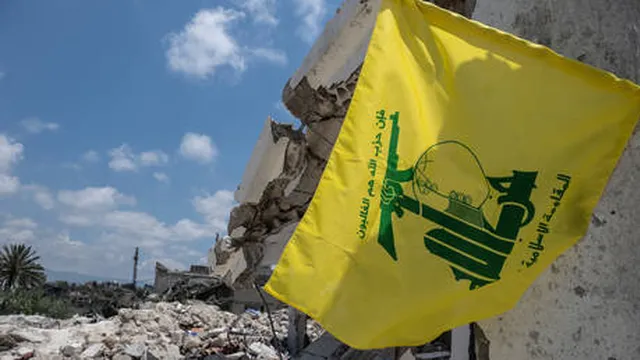
In recent statements, Israel's Defense Minister Israel Katz announced that Israeli troops will remain in occupied areas of Gaza, Lebanon, and Syria indefinitely. This decision is framed as a necessary measure to defend Israel's borders, particularly in light of ongoing tensions with Hezbollah and Iran. Katz emphasized that there would be no withdrawal from southern Lebanon until Hezbollah is disarmed, reiterating Israel's commitment to maintaining security zones in the region. This announcement follows a period of escalated military operations, with Israeli forces expanding their presence in southern Lebanon and establishing a security buffer zone.
The backdrop to these developments includes a recent US-backed framework agreement signed by the Lebanese government aimed at ending months of fighting along the border. However, Hezbollah has rejected this deal, arguing that it would allow Israel to operate freely within Lebanon. The situation has led to mass protests in Beirut, highlighting the internal divisions within Lebanon regarding the agreement and Israel's military actions. The conflict has intensified since early March, when Hezbollah fired rockets at Israel, prompting a significant Israeli military response that has resulted in substantial casualties and displacement.
As of now, Israeli strikes have reportedly killed nearly 4,300 people and displaced around one million individuals, according to the Lebanese Health Ministry and the United Nations. The Israeli Defense Forces (IDF) have pushed deeper into southern Lebanon, controlling approximately 2,000 square kilometers of territory, which constitutes nearly one-fifth of the country. This military strategy is part of a broader Israeli objective to achieve what Prime Minister Benjamin Netanyahu has described as 'total victory' over Iran and its allied groups.
The ongoing conflict and military presence raise significant questions about the future stability of the region. Iran has made the cessation of Israeli military operations in Lebanon a key condition in its peace talks with the United States. The situation remains fluid, with potential implications for both regional security and international diplomatic efforts aimed at resolving the conflict. As tensions continue to escalate, the international community watches closely, aware that the outcomes of these developments could have far-reaching consequences for the Middle East.