

Solo renters face steep singles tax costing thousands each year
Solo renters face steep singles tax costing thousands each year
- Recent Zillow research indicates that solo renters in the U.S. incur an average annual cost of $10,470 more than those sharing housing.
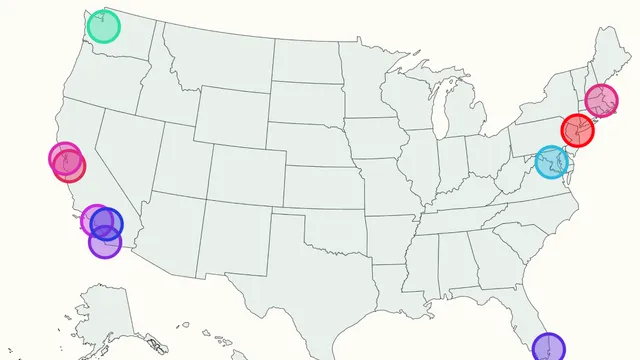
- Cities such as New York, San Jose, and Boston exhibit significantly higher singles tax rates, with New York City renters facing the highest burden.
- The findings reveal that sharing rental costs can lead to substantial savings for couples, further emphasizing the economic pressures of living alone.
Story
In the United States, being single and living alone has become increasingly costly, with some cities imposing what has been termed a 'singles tax'. According to research conducted by Zillow, solo renters are now spending approximately $10,470 more per year than those who share housing costs. This singles tax has increased by $146 over the past five years, highlighting a notable trend in housing affordability in key urban areas. Renters who live alone face financial disadvantages compared to their counterparts who share their accommodation. Particularly in metropolitan areas like New York City, the singles tax soars to an average of $23,400 annually for individuals living solo. The exorbitant rental prices in New York City, especially in neighborhoods such as Manhattan, contribute significantly to this burden; the consumer price index for rental costs has risen 3.9 percent year-over-year as of December and is up a staggering 21 percent over the past five years. Couples sharing a lease in the city benefit immensely, saving an average of $46,800 collectively on rental costs. California cities also feature prominently in this discussion, with San Jose reporting a singles tax of $19,488, where couples could enjoy a discount of $38,976. Boston follows closely with an estimated singles tax of $18,084 for solo renters. Zillow's findings underscore not only the economic pressure on individual renters in expensive urban environments but also the potential financial advantages of shared living arrangements as housing prices continue upward trends that challenge affordability. Despite a modest uptick in the average singles tax, it reflects the slowest annual growth rate in five years. As housing markets begin to stabilize, particularly due to a recent report from Redfin indicating a decline in rental prices, the broader conversation surrounding singles tax and rental affordability continues to evolve. This presents an opportunity for renters to reassess their living situations, and with the slight improvements in market conditions, individuals may find chances to negotiate rents or take advantage of move-in incentives.


