

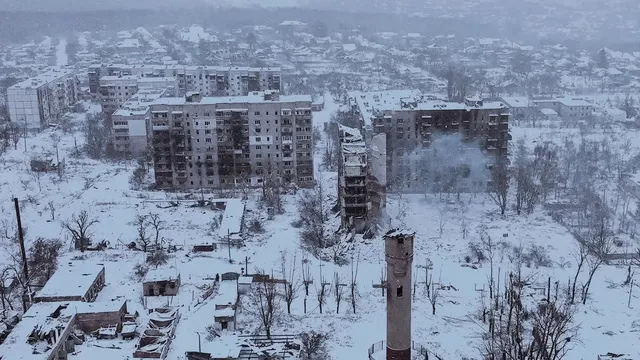
Australian Russell Allan Wilson killed fighting in Ukraine
Australian Russell Allan Wilson killed fighting in Ukraine
- Reports have emerged confirming the death of Russell Allan Wilson, an Australian national, while fighting in Ukraine.
- He was killed in the eastern Donetsk region on December 12, 2022.
- This incident highlights the ongoing risks faced by Australians involved in the conflict, with calls for government support for those captured.
Story
In December 2022, reports emerged from Ukraine about the death of Russell Allan Wilson, an Australian national, while he was engaged in combat against Russian forces. Local media indicated that he was killed on December 12 in the eastern Donetsk region of Ukraine, a point of significant conflict during the ongoing war following Russia's full-scale invasion that began in February 2022. A social media post made by a US army veteran confirmed the news of his death, highlighting Wilson's decision to remain in Ukraine despite the inherent risks associated with the ongoing warfare. His friend emphasized that he chose to 'stand his ground in a place where freedom is paid for in blood.' Wilson’s journey to Ukraine reportedly began after he had previously resided in Brisbane and was originally from Gosford, located on New South Wales' Central Coast. The Australian Department of Foreign Affairs and Trade (DFAT) acknowledged awareness of the reports regarding his death and sought to confirm the situation through local authorities. This tragic incident reflects the broader context of Australian nationals participating in the conflict, with at least eight Australians believed to have died in Ukraine since the invasion commenced. Another Australian, Oscar Jenkins, a former Melbourne teacher, is known to be held as a prisoner of war by Russian forces. Reports indicate that Jenkins was originally thought to be killed, but later confirmation revealed he is alive, albeit imprisoned under harsh conditions. Australian groups advocating for the Ukrainian cause have called on the federal government to prioritize Jenkins in future prisoner exchanges, actively working to ensure he is not forgotten as the war continues to escalate.
Context
The involvement of Australians in the Ukraine war has garnered significant attention, particularly as the conflict has evolved since its inception in 2014. With the escalation of hostilities in 2022, particularly following Russia's aggressive actions, many Australians have felt compelled to act, with a notable number choosing to travel to Ukraine to support the fight against Russian aggression. This phenomenon can be attributed to a mixture of personal convictions, such as the desire to uphold democratic values and human rights, as well as a sense of solidarity with the Ukrainian people. As a result, Australian volunteers have joined various foreign legion groups and local defense units, aiming to contribute their skills to the ongoing efforts against the Russian military forces. The reasons motivating Australians to join the conflict are as diverse as the individuals themselves. Some are veterans with prior military experience, seeking to lend their expertise in combat situations. Others are civilians driven by a profound sense of justice and personal beliefs in defending democratic principles. Additionally, the role of social media and online communities has played a crucial role in mobilizing support and organizing efforts for those interested in participating in the conflict. Reports indicate that some Australians have also participated in humanitarian aid efforts, providing critical assistance to those affected by the war, including medical support and logistical aid to displaced peoples and soldiers. Despite the relatively small numbers involved compared to larger nations, the presence of Australian fighters has raised complex legal and ethical questions domestically. The Australian government has warned citizens against traveling to conflict zones due to the risks involved, including legal ramifications under Australian law regarding participation in conflicts abroad. However, these warnings have not deterred many, as numerous citizens have stated a willingness to face potential legal consequences for the sake of their moral convictions. There is also ongoing debate regarding the impact of these actions on Australia’s international relations, particularly with nations that have vested interests in the Ukraine conflict and those opposing Australian involvement. In summary, the phenomenon of Australians fighting in the Ukraine war is multifaceted, reflecting both individual motivations and broader geopolitical dynamics. While the involvement of citizens in foreign conflicts presents numerous challenges and risks, it also highlights the enduring human impulse to stand against perceived injustices. As the war continues and evolves, the contributions of Australians, whether on the frontlines or through supportive humanitarian efforts, are likely to remain a point of focus, shedding light on the intersection of personal beliefs and international conflict.


