

Meta faces pressure to combat AI-generated fake content effectively
Meta faces pressure to combat AI-generated fake content effectively
- The Electoral Commission is developing tools to detect deepfakes ahead of the May elections in the UK.
- Victims, including politicians, have shared their distress over fabricated videos impacting their integrity.
- Meta's Oversight Board called for improved measures to combat misleading AI-generated content on social media platforms.
Story
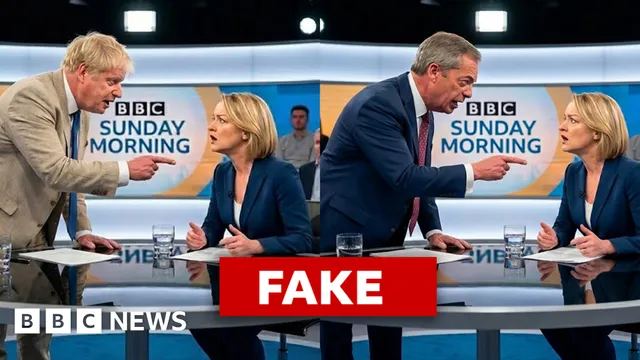
In the UK, concerns over deepfake videos have surged as the Electoral Commission develops tools to identify and counter them ahead of the elections for the Welsh and Scottish parliaments in May. Incidents of AI-generated videos depicting politicians in false and compromising situations have surfaced, with certain pages on Facebook being traced back to Vietnam. The public and victims, including Welsh politicians, have expressed their distress over the impact of these deepfakes on their reputation and truthfulness in reporting. Alex Davies-Jones, a Labour MP, highlighted the pervasive risk politicians face from such fabricated content. The BBC's investigation revealed that many deceptive pages were categorized as news outlets, further complicating the landscape for voters who seek reliable information. Many posts were sparked to attract political support but also spread misinformation about various politicians, both positive and negative. The content's creators often relied on misleading page names and AI-generated images to deceive users, taking advantage of the algorithm's susceptibility to bot activity that can amplify such content's visibility within social media feeds. Despite attempts by some page owners to label their content as satire, the effectiveness of such disclaimers is questionable, especially given the context of heightened political activity. Further scrutiny fell on Meta from its own Oversight Board, which criticized the company's approach to moderating AI-generated content, particularly during crises. The board highlighted that the platform's current methods—heavily reliant on user reports and complaints—are inadequate amidst the rapid proliferation of deceptive content. In a notable incident, Meta kept an AI-generated video claiming significant destruction in Haifa, Israel, live despite user complaints. Meta's Oversight Board emphasized the crucial need for the company to produce proactive labeling mechanisms for AI content to help users better navigate between real and fake information. Their finding revealed many of these fabricated clips capitalized on users' emotions and biases, raising concerns about the overall reliability of information available on social media platforms. The board advocated for a systematic approach to ensure the integrity of content, especially in politically charged times.
Context
The impact of misinformation on public trust in media is a critical issue in contemporary society. Misinformation, defined as false or misleading information disseminated regardless of intent, has proliferated through digital platforms and social media channels, often outpacing the ability of traditional media to debunk it. This prevalence of misinformation has significant implications for public trust, as citizens often find it challenging to discern credible information sources from unreliable ones. Research has shown that as individuals encounter increasing misinformation, their confidence in traditional media outlets diminishes, leading to a paradox where the very sources intended to inform the public become viewed with skepticism and distrust. Moreover, the erosion of trust in media can have dire consequences for democratic processes and public health. When misinformation circulates unchecked, it can sway public opinion on critical issues such as elections, climate change, and vaccine efficacy. Studies indicate that misinformation can lead to polarization, where individuals retreat into echo chambers that reinforce their beliefs, further alienating them from mainstream media narratives. This polarization not only hinders productive discourse but also affects the media's role as a facilitator of informed decision-making, necessitating an urgent need for strategies to combat misinformation. Efforts to restore public trust in media must focus on enhancing media literacy among the populace, enabling individuals to critically analyze the information they consume. Educational initiatives that promote critical thinking and source evaluation are essential for creating a more informed citizenry capable of recognizing and rejecting misinformation. Additionally, media organizations themselves must adopt greater transparency in their reporting processes and actively engage with their audiences to build credibility and trust. Collaborative efforts between media, technology platforms, and educational institutions can create a robust framework to tackle misinformation effectively. In conclusion, the interplay between misinformation and public trust in media presents a significant challenge that requires immediate attention from all stakeholders involved in information dissemination. As misinformation continues to threaten societal trust in media, proactive measures are essential to foster a culture of critical consumption and facilitate the restoration of confidence in reputable information sources. Ultimately, maintaining an informed public is vital for the health of democracy and the functioning of society as a whole.


