

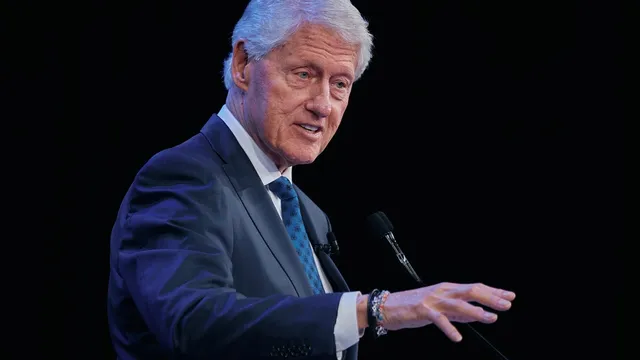
Clintons demand public testimony in Epstein investigation
Clintons demand public testimony in Epstein investigation
- Bill Clinton called for public hearings regarding Epstein's investigation to protect victims and the public.
- Clintons have agreed to provide testimony after facing contempt charges for not cooperating.
- The demand for transparency reflects concerns over the politicization of the investigation.
Story
On February 6, 2026, former President Bill Clinton urged House Oversight Committee Chairman James Comer to conduct public hearings related to the investigation into Jeffrey Epstein's criminal activities. Clinton announced his willingness to testify and provided a sworn statement about his knowledge of Epstein. However, he expressed strong objections to the proposed closed-door hearings, which he argued would not serve the victims or the public interest. The Clintons' demand for transparency came amidst escalating tensions, as they faced the potential of contempt of Congress charges for not complying with subpoenas effectively. Democrats accused Comer of misusing the investigation to target political opponents rather than focusing on legitimate oversight issues. As the investigation unfolded, the Clintons maintained they were unaware of Epstein's actions until legal actions were initiated against him. While Bill Clinton acknowledged his past involvement with Epstein in humanitarian work, he denied any participation in or knowledge of Epstein's criminal activities. In contrast, Hillary Clinton stated she had no significant contact with Epstein, emphasizing her lack of engagement in activities associated with him. As the hearings approached, the debate over transparency and accountability raised concerns about the potential politicization of the inquiry and its implications for future congressional testimonies by former presidents.
Context
The investigation into Jeffrey Epstein has had significant and multifaceted effects on political dynamics, especially in the United States where it has raised questions regarding the intertwining of power, privilege, and accountability. Epstein, who was a financier and convicted sex offender, was connected to numerous high-profile figures including politicians, celebrities, and business leaders. His untimely death in August 2019 while in federal custody further fueled controversies and conspiracy theories, putting a spotlight on the judicial and political systems that allowed his abuses to continue for so long. This has led to increased scrutiny of how wealth and influence can obstruct justice, prompting calls for reforms and transparency in the legal processes that govern such cases. In the wake of Epstein's arrest and subsequent allegations involving a trafficking network, political actors have been compelled to reckon with the implications of his connections. For those identified with Epstein, there has been a significant reputational risk, leading to consequences ranging from loss of political support to the re-examination of past relationships. Figures such as former President Bill Clinton and Prince Andrew have faced public backlash and media scrutiny. This scrutiny has prompted discussions around accountability among political elites, particularly regarding their associations with individuals accused of serious crimes. The political ramifications have also seen a rise in populist sentiments as citizens demand more transparency and ethical governance from their leaders. Moreover, the investigation has prompted bipartisan dialogue surrounding issues such as sexual assault, age of consent laws, and the legal handling of such cases. Lawmakers from various parties have felt pressure to address these societal issues more actively, introducing legislative proposals aimed at protecting the most vulnerable and holding abusers accountable. Movements like #MeToo have found renewed vigor in pushing for reforms that challenge existing power structures and advocate for survivors of sexual abuse. As a result, the Epstein investigation has further solidified the discourse on sexual violence and accountability in political spaces, compelling leaders to take stances that resonate with public sentiment. The long-term impact of the Epstein investigation on political dynamics is still unfolding. It has underscored the necessity of vigilance and reform in legal and political processes, particularly concerning the treatment of allegations against powerful individuals. As new developments continue to emerge, the association of Epstein with various public figures serves as a stark reminder of the complex relationship between privilege, power, and justice. Consequently, the ramifications of this investigation may lead to significant shifts in political priorities, lawmaking, and public trust in governmental institutions.


