

Australians face fuel shortages but urged to travel during Easter
Australians face fuel shortages but urged to travel during Easter
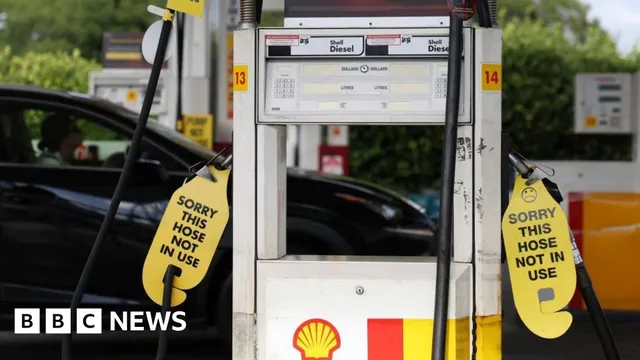
- The Australian government reports that 312 service stations are out of diesel, causing widespread fuel shortages.
- Australia has significant fuel reserves, with 39 days of petrol, 29 days of diesel, and 30 days of jet fuel available.
- Despite the shortages and soaring prices, Australians are encouraged to continue with their Easter travel plans.
Story
In Australia, fuel shortages have impacted many petrol stations due to disruptions in global oil shipments, primarily caused by the ongoing conflict in the Middle East. Since the start of hostilities in early March 2026, particularly in Iran affecting the Strait of Hormuz, petrol prices have increased dramatically. Reports indicate that over 312 out of approximately 8,000 service stations in the country have already run out of diesel, mostly in rural areas. The government's response includes reassurance on fuel reserves, stating there are 39 days' worth of petrol, 29 days' worth of diesel, and 30 days' worth of jet fuel. The Iranian blockade and the international shipping disruptions have further complicated the situation, as around 20% of the world’s oil and natural gas is transported through this strategic waterway. Despite higher prices, the Australian government has decided to encourage citizens to maintain their travel plans for the Easter holidays. This decision comes alongside a call for Australians to conserve fuel and consider alternative modes of transportation, such as public transit. Shipping analysis suggests that a limited number of vessels have successfully passed through the Strait of Hormuz since the conflict began, but uncertainties remain regarding safety and the level of risk associated with navigating the area. A few vessels managed to cross, including a Malta-flagged container ship and a Japanese vessel, showcasing a slight easing of the shipping blockade. Australian officials are working to manage fuel availability as they brace for increased travel demand during Easter. They emphasize that while there are reserves, the current climate requires consumers to be mindful of their fuel usage to avoid further strain on supply. The situation showcases the geopolitical influence on regional fuel availability and demonstrates how international tensions can lead to direct impacts within Australia, prompting government measures to encourage adaptability among citizens.
Context
The ongoing Iran-Israel conflict has significant implications for the global oil market, primarily due to the strategic location of both nations and their influence over key oil-producing regions. Iran, with its vast oil reserves and membership in the Organization of the Petroleum Exporting Countries (OPEC), plays a critical role in global oil supply. Israel, though not a major oil producer, is strategically positioned amid transit routes for oil and gas transportation. The instability stemming from this conflict can lead to disruptions in oil supply chains, especially if military hostilities escalate. This report examines the multifaceted impacts of the Iran-Israel conflict on global oil, considering both immediate and long-term effects on oil price volatility, supply security, and geopolitical dynamics influencing energy markets. In periods of heightened tensions between Iran and Israel, global oil prices often experience volatility. Markets react sensitively to the threat of conflict, as any military engagement could obstruct shipping routes through the Strait of Hormuz, a critical chokepoint through which a significant portion of the world's oil passes. Historical incidents, such as attacks on tankers or threats to shipping lanes, have prompted immediate spikes in oil prices due to fears of supply shortages. Furthermore, speculative trading often amplifies these price movements, leading to potential economic repercussions for nations dependent on oil imports and creating inflationary pressures across various economies. The geopolitical ramifications of the Iran-Israel conflict extend beyond immediate price fluctuations. Countries reliant on oil imports, particularly those in Europe and Asia, have increasingly sought to diversify their energy sources to mitigate risks associated with potential supply disruptions. This has led to enhanced investments in renewable energy and alternative energy sources, as well as an increase in strategic reserves. Additionally, the confrontation between Iran and Israel complicates diplomatic relations in the region, affecting broader alliances and leading to further tensions that may impact oil production capabilities in nearby countries. The potential for regional conflict disrupts not only oil markets but also international diplomatic efforts aimed at stabilizing energy supplies. Long-term scenarios predict that the Iran-Israel conflict could solidify energy realignments, where nations will reroute their oil trading practices and seek new partnerships in response to increased regional instability. The shift towards localized and diversified energy sourcing is likely to grow stronger, further affecting traditional oil markets. Consequently, the conflict has even broader implications for global energy security strategies, as nations prioritize resilience against geopolitical risks associated with oil dependence. Understanding the interplay between the Iran-Israel conflict and global oil markets is crucial for anticipating future economic trends and energy policies, as both entities continue to navigate complex geopolitical landscapes.


