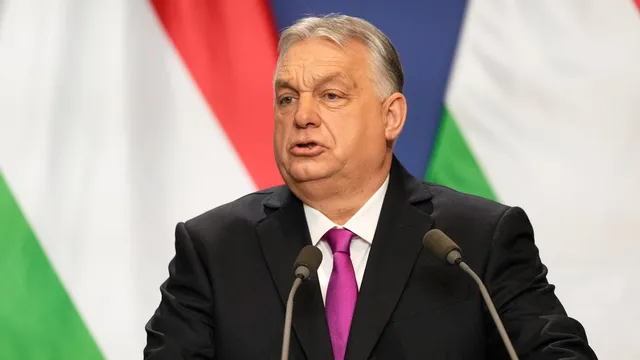
Hungary's political landscape is heating up as the country approaches its critical election on April 12, 2026. A recent poll indicates that the opposition party Tisza is maintaining a lead over the ruling Fidesz party, though that lead has slightly narrowed from 16 percentage points to 14 since January. The survey, conducted by 21 Research Centre, shows Tisza receiving support from 53% of decided voters, while Fidesz has gained traction with 39%. Voter sentiment remains uncertain amid ongoing economic pressures and the Ukraine-Russia conflict, leading to many undecided voters.
The upcoming election represents a pivotal moment for Hungary, as Prime Minister Viktor Orbán has held power for 16 years. Tisza’s leader, Peter Magyar, has committed to addressing corruption in governance, releasing billions of euros in European Union funds, and reinforcing Hungary's ties within the EU and NATO. The dynamic political environment is shaped by public dissatisfaction with Orbán's administration, particularly concerning allegations relating to the rule of law and the government's close ties with Russia.
Despite Tisza's current lead, Fidesz still boasts strong support according to some other surveys that predict a victory for Orbán's party. Critics, however, have questioned the validity of those surveys, citing potential biases due to financial or personal ties between these polling agencies and the ruling government. Amidst these electoral dynamics, Orbán's government is also grappling with controversies surrounding a recent seizure of Ukrainian cash and gold, which has further inflamed tensions between Hungary and Ukraine.
As the election date nears, the stakes are high in Hungary's political sphere, with widespread implications for governance direction, economic policy, and international relations. Tisza’s continued support may hinge on its ability to persuade undecided voters and effectively communicate its agenda that contrasts with Orbán's long-standing rule. The outcome of the election remains uncertain and critical for Hungary's future, underscoring the evolving nature of European politics amid rising populism and dissatisfaction with traditional governance.