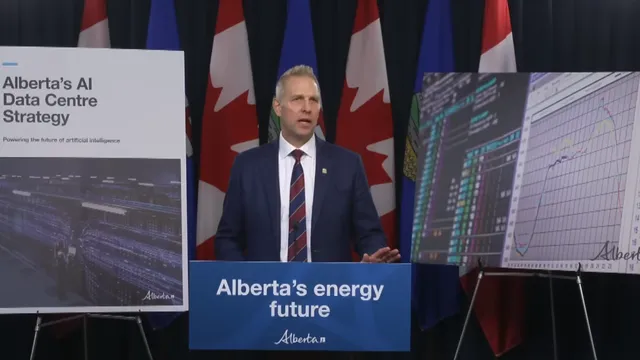
The impact of gas-fired data centres on Alberta's environment is a multifaceted issue that requires careful consideration of both the benefits and drawbacks associated with their operation. Gas-fired data centres are increasingly being utilized due to their ability to provide a reliable and efficient source of energy, which is crucial for the high energy demands of modern computing. In Alberta, where natural gas is abundant, these facilities can leverage local resources to minimize energy costs and enhance operational efficiency. However, the environmental implications of relying on fossil fuels for energy generation cannot be overlooked, particularly in the context of climate change and air quality concerns. The combustion of natural gas, while cleaner than coal or oil, still produces greenhouse gases and other pollutants that contribute to global warming and can adversely affect local ecosystems and public health.
Moreover, the expansion of gas-fired data centres in Alberta raises questions about land use and resource allocation. As these facilities require significant amounts of land and water for cooling and operation, there is potential for conflict with agricultural activities and natural habitats. The extraction and transportation of natural gas also pose environmental risks, including habitat disruption and the potential for leaks and spills. It is essential for policymakers and stakeholders to assess the cumulative impacts of these facilities on the environment and to implement regulations that mitigate negative effects while promoting sustainable practices.
In response to these challenges, there is a growing emphasis on integrating renewable energy sources into the energy mix for data centres. By combining gas-fired generation with wind, solar, and other renewable technologies, Alberta can reduce its carbon footprint and enhance energy resilience. This transition not only aligns with global efforts to combat climate change but also positions Alberta as a leader in sustainable technology. Furthermore, advancements in energy efficiency and cooling technologies can help minimize the environmental impact of data centres, making them more sustainable in the long run.
Ultimately, the future of gas-fired data centres in Alberta will depend on a balanced approach that considers economic, environmental, and social factors. Stakeholders must engage in collaborative efforts to develop strategies that promote responsible energy use while fostering innovation in the tech industry. By prioritizing sustainability and environmental stewardship, Alberta can harness the benefits of gas-fired data centres while safeguarding its natural resources and public health for future generations.