

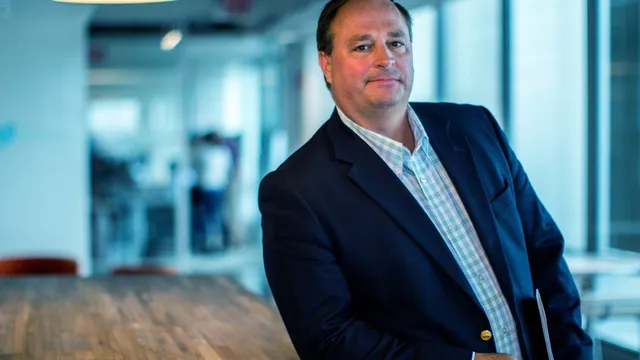
Brooks Tingle champions longevity planning at John Hancock
Brooks Tingle champions longevity planning at John Hancock
- The percentage of Americans over 65 is projected to increase significantly by 2050.
- A survey found that many Americans feel unprepared for longevity despite the financial investments they are making.
- Brooks Tingle aims to improve longevity planning to enhance quality of life for the aging population.
Story
In the United States, the median age is approaching 40, and the proportion of Americans over 65 is set to climb from 17% to nearly 25% by 2050. This shift prompts many individuals to consider postponing retirement or relocating abroad. Significantly, consumers aged 55 and over control nearly 75% of the national wealth and are increasingly investing in strategies to enhance not just lifespan, but quality of life. Various new technologies, treatments, and approaches to health and wellness are flourishing to support this trend. However, research indicates that many Americans remain unprepared for a life expectancy that could reach 100 years or more. According to longevity expert Ken Dychtwald, society has yet to innovate effectively for the additional decades many can expect to live. Tingle emphasizes a broader scope of preparedness that extends beyond basic health and financial stability to encompass emotional and social well-being. A recent survey of 1,300 Americans revealed an average preparedness score of 60 out of 100, particularly highlighting a lack of planning for continuing care, despite the fact that 70% of older individuals will likely require such support. Tingle acknowledges the importance of proactive planning to optimize longevity and encourages providers in his industry to foster meaningful relationships with clients by equipping them for healthier, more fulfilling later years. His reflections, drawn from his three decades of experience, resonate particularly as he considers the reality of aging and the need for a fulfilling life after conventional retirement age.
Context
The aging population represents one of the most significant demographic shifts of our time, with profound implications for global economies. As life expectancy increases and birth rates decline, the proportion of older individuals within the population is rising sharply. This demographic transformation poses both challenges and opportunities for economic systems worldwide. For instance, an increasing number of retirees can lead to a shrinking workforce, which may result in labor shortages and subsequently hinder economic growth. Additionally, the dependency ratio—the ratio of non-working individuals (often retirees) to those of working age—will rise, placing increased strain on pension systems and social welfare programs. Governments must address these challenges through thoughtful policies that promote labor force participation among older adults, as well as measures to ensure the sustainability of retirement systems. In parallel, the aging population also presents opportunities for economic growth through the development of new markets and the expansion of existing ones. The older demographic often has distinct needs and preferences, leading to demand for tailored services and products. Industries such as healthcare, housing, and technology are likely to experience significant growth as they cater to the aging population. For instance, advancements in telemedicine and home healthcare services can improve the quality of life for older adults while reducing costs for healthcare systems. Furthermore, the potential for tech-savvy seniors to engage with digital platforms opens up new avenues for innovation and entrepreneurship that can drive economic expansion. Moreover, the workforce dynamics are evolving due to technology and changing attitudes toward older workers. Older employees bring valuable experience and knowledge, which can enhance productivity and mentorship within organizations. Many businesses are recognizing the importance of age diversity in the workplace and are adjusting their practices to attract and retain older workers. Companies that foster inclusive environments and provide opportunities for continuous learning can benefit from the skills and insights that older employees offer. Encouraging multigenerational teamwork can lead to increased innovation and better problem-solving by leveraging the strengths of individuals from various age groups. In conclusion, the impact of an aging population on the economy is multifaceted, presenting both significant challenges and opportunities. While the potential increase in dependency ratios and labor shortages may create fiscal pressures, the corresponding growth in sectors catering to older adults and the valuable contributions of older workers can drive economic resilience. Policymakers and businesses must adopt proactive strategies that harness the potential of this demographic shift. By embracing inclusivity and crafting policies that support older individuals, societies can create a more sustainable and prosperous economic future.


