

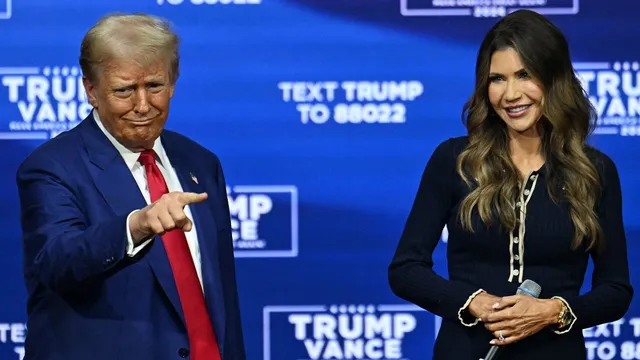
Trump calls GOP senators losers as calls for Noem's resignation grow
Trump calls GOP senators losers as calls for Noem's resignation grow
- Thom Tillis and Lisa Murkowski publicly called for Homeland Security Secretary Kristi Noem to resign after the shooting of Alex Pretti by CBP officials.
- In response to their criticism, President Donald Trump labeled them 'losers' during an ABC News interview.
- The ongoing tension within the Republican Party raises questions about immigration enforcement and the future of Trump's administration.
Story
In the United States, Republican senators Thom Tillis and Lisa Murkowski faced backlash from President Donald Trump after they publicly called for the resignation of Secretary of Homeland Security Kristi Noem. Their demands stemmed from the fatal shooting of Alex Pretti, a 37-year-old nurse, by Customs and Border Protection officials, which raised significant concerns regarding immigration enforcement. Pretti was labeled a 'domestic terrorist' by Noem, a claim disputed by video evidence showing no weapon was brandished by him at the time of the incident. This shocking event triggered a wave of criticism for Noem from both sides of the political spectrum. In an interview with ABC News, Trump dismissed the senators, referring to them as 'losers.' Murkowski, who had previously voted to confirm Noem, indicated that she would likely not do so again, reflecting a shift in her opinion about Noem's competency. Tillis, on the other hand, sarcastically embraced Trump's insult, suggesting it could qualify him for a role as DHS Secretary or as a senior adviser to Trump. This exchange underscores a deepening rift between Trump and several Republican legislators regarding immigration policies and personnel decisions. The clash also highlights the growing pressure on Noem amidst increasing scrutiny of the federal agents' actions. Following Pretti's death, calls for a comprehensive investigation were echoed by several Republican leaders, including Senate Majority Leader John Thune, who remarked that the characterization of Pretti as a domestic terrorist was inappropriate given the evidence presented. This incident is a pivotal moment for the Republican Party as it grapples with internal divisions and public criticism over immigration enforcement strategies. While Trump continues to publicly support Noem, this tension between party members raises questions about the future direction of immigration policy under his administration. The response from Tillis and Murkowski not only reflects their dissatisfaction with Noem's leadership following the tragic incident but also signals broader discontent within the GOP regarding Trump's handling of critical issues affecting the party's image and integrity. This divide may have implications for the party's cohesion as they head into future elections.
Context
The immigration policy stance of Donald Trump has been a defining aspect of his political career and has significantly influenced national discourse on immigration in the United States. Throughout his time as President from January 2017 to January 2021, Trump adopted a hardline approach to immigration, emphasizing border security, enforcement of immigration laws, and a reduction in the number of immigrants entering the country, particularly from certain regions. His administration implemented policies aimed at building a wall along the U.S.-Mexico border, a promise that was central to his campaign narrative. The policy aims were often met with polarization in public opinion and legal challenges, showcasing the contentious nature of immigration politics in the U.S. during his presidency. One of the most notable aspects of Trump's immigration policy was the travel ban, which restricted entry from several predominantly Muslim countries. This executive order faced substantial legal challenges, but ultimately reaffirmed his commitment to prioritizing national security over traditional immigration norms. Additionally, the Trump administration took significant steps to dismantle Deferred Action for Childhood Arrivals (DACA), which had provided temporary protections for undocumented immigrants brought to the U.S. as children. These actions exemplified Trump's broader narrative that sought to portray immigration as a threat to American prosperity and security. Under Trump's leadership, the administration also markedly increased Immigration and Customs Enforcement (ICE) deportations and arrests, focusing on individuals who committed crimes rather than purely undocumented status. The "zero-tolerance" policy led to family separations at the border, drawing widespread condemnation from both domestic and international observers. The humanitarian implications of such policies raised ethical questions about the treatment of migrants and, subsequently, about how America navigates its responsibilities as a nation of immigrants. This intense focus on enforcement and strict measures intended to deter illegal immigration set a tone that often reflected a broader sentiment of nationalism and prioritization of American citizens over immigrant communities. As Trump concluded his presidency, his immigration policies had cemented a legacy characterized by enforcement-first approaches and significant societal ramifications. The impacts of his presidency continue to evoke strong reactions and discussions about immigration's role in the U.S. post-Trump era. His policies have left ongoing debates about reforming immigration laws and creating pathways for legal status for undocumented immigrants, as well as the future of border security. In a changing demographic landscape, the implications of Trump's immigration stance will likely resonate in U.S. politics and policy discussions for years to come.


