

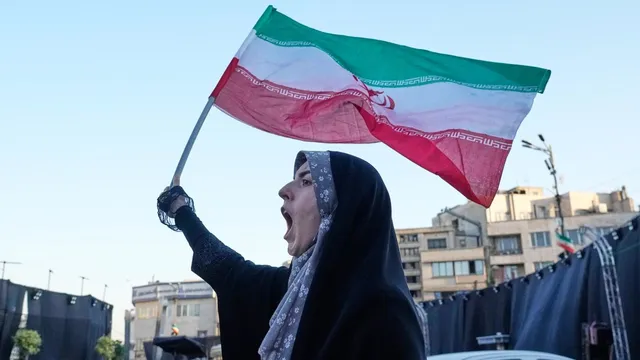
Trump announces peace deal with Iran to reopen Strait of Hormuz
Trump announces peace deal with Iran to reopen Strait of Hormuz
- A peace agreement between the United States and Iran was announced on June 14, 2026.
- The deal includes provisions for reopening the Strait of Hormuz and releasing $25 billion in frozen Iranian assets.
- This agreement marks a significant step towards de-escalating tensions in the region.
Story
On June 14, 2026, a significant diplomatic breakthrough occurred as President Donald Trump and Pakistani Prime Minister Shehbaz Sharif announced that a peace agreement between the United States and Iran had been reached. This announcement was broadcast by Iranian state media, marking a pivotal moment in the ongoing conflict that had persisted since February 2026. The agreement aims to halt military operations on all fronts, including in Lebanon, and includes provisions for the reopening of the Strait of Hormuz, a crucial maritime route for global oil supplies. The deal is expected to facilitate the release of approximately $25 billion in frozen Iranian assets, which had been a point of contention in previous negotiations. The negotiations leading up to this agreement had been fraught with challenges, including military strikes and ongoing tensions between Iran and Israel. The Iranian government had previously expressed skepticism about the timeline for signing the deal, indicating that discussions were still ongoing. However, the announcement of the agreement suggests a shift in the dynamics of the conflict, with both sides appearing to seek a resolution to the hostilities that have disrupted regional stability and global oil markets. In the days leading up to the announcement, there were conflicting reports regarding the status of the negotiations, with Iranian officials indicating that a final decision had not yet been made. Nonetheless, the optimism expressed by both the U.S. and Iranian officials suggests that a consensus was reached, paving the way for a formal signing ceremony. The agreement is seen as a crucial step towards de-escalating tensions in the region and restoring normalcy to international shipping through the Strait of Hormuz. The implications of this peace deal extend beyond the immediate cessation of hostilities. It represents a potential turning point in U.S.-Iran relations, which have been characterized by hostility and mistrust for decades. The agreement also highlights the role of third-party mediators, such as Pakistan, in facilitating dialogue between the two nations. As the world watches the developments following this announcement, the focus will shift to the implementation of the agreement and the long-term prospects for peace in the region.
Context
global strategic geopolitical policy analysis trends policy global strategic trends market strategic trends trends shift policy impact analysis geopolitical global global geopolitical shift data global analysis market shift policy impact analysis impact global trends analysis impact analysis insight market insight market geopolitical policy economic global market data analysis trends strategic economic global global impact analysis impact impact insight geopolitical economic policy insight policy analysis data geopolitical economic trends geopolitical trends strategic economic geopolitical analysis economic impact economic trends data shift...


