

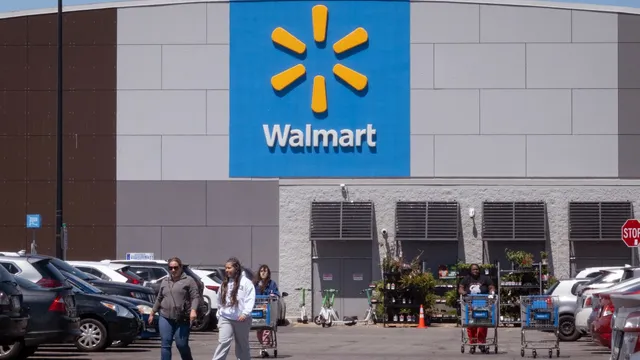
Walmart warns shoppers of potential price hikes amid surging fuel costs
Walmart warns shoppers of potential price hikes amid surging fuel costs
- Walmart has warned that rising fuel costs could lead to higher prices for consumers.
- Gas prices in the U.S. have increased significantly, affecting lower-income consumers the most.
- If the elevated cost environment continues, retailers may face pressure to raise prices further.
Story
In the United States, amidst rising fuel prices, Walmart executives addressed the financial strain on operations caused by unexpectedly high fuel costs, particularly in their most recent quarterly earnings call. On this call, it was reported that Walmart had absorbed approximately $175 million in additional expenses from these increased costs. This financial strain, coupled with a national average gas price hitting $4.55—over 42% more than the previous year—indicates a significant change in consumer behavior. Lower-income shoppers are increasingly price-sensitive, potentially magnifying their financial distress as fuel prices continue to influence household budgets. Furthermore, the ongoing conflict in Iran has disrupted global supply chains, significantly affecting oil shipments through strategic passages like the Strait of Hormuz, an area that previously facilitated a daily average of around 20 million barrels of oil. This disruption, which began following the war on February 28, has led to an accumulative expenditure of roughly $44.8 billion on gas and diesel by American consumers, translating to an estimated extra $190 per household since the onset of the conflict. Such increases in gas prices are expected to continue as Western sanctions on Iranian oil persist, leading to rising inflation rates that reached 3.8% in April, with consumer confidence dwindling. Walmart's CFO, John David Rainey, pointed out that the financial complexities caused by elevated fuel costs could compel them to raise prices in the coming months, warning that continued inflation could put upward pressure on retail prices. A survey by the University of Michigan indicated that consumer sentiment has fallen to an all-time low due to these economic pressures. Thus, amidst the continuing conflict and its ramifications, retailers like Walmart must navigate this challenging landscape, balancing operational costs and consumer prices while trying to sustain their consumer base. As other retailers, including Amazon and Kroger, are also adapting to rising logistics costs, the retail market remains aware of changing spending habits. This acknowledgement stems from worries that lower-income groups will become more financially constrained due to sustained high fuel prices, a shift that could lead many retailers to offer lower prices for competitive edge or to brace for changing consumer dynamics in their spending choices. It is a reflective moment for the industry ahead, suggesting that while some segments of the market may manage, the adverse effects on average Americans are increasingly compelling retailers to reconsider the pricing structures that will support their growth moving forward.


