

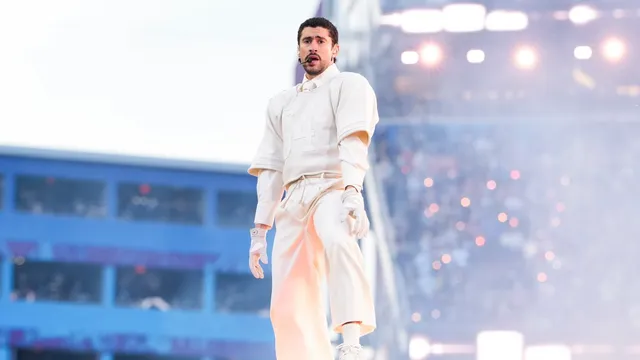
Bad Bunny headlines Super Bowl halftime show amid political tensions
Bad Bunny headlines Super Bowl halftime show amid political tensions
- Bad Bunny's Super Bowl halftime performance is set against a backdrop of significant political commentary regarding U.S. immigration policy.
- His Grammy-winning album blends traditional and contemporary musical styles, aiming to energize the audience.
- This performance highlights Bad Bunny's role in raising awareness of Puerto Rican culture and issues on a global stage.
Story
On February 8, 2026, the Super Bowl LX took place in California, featuring Puerto Rican superstar Bad Bunny as the headliner for the halftime show. This significant event comes on the heels of his historic Grammy win for his album 'Debí Tirar Más Fotos,' which has solidified his position as a prominent figure in the music industry. Bad Bunny's performance is anticipated not just for its entertainment value but also for its political implications, as he has been outspoken against U.S. immigration policy, particularly during the Trump administration. His inclusion in the Super Bowl lineup has sparked considerable backlash among MAGA supporters, illustrating the cultural divide present in contemporary American society. With a performance lasting 13 minutes, Bad Bunny is expected to blend traditional Puerto Rican music styles with modern elements, showcasing instruments reflective of his heritage and possibly employing significant visuals, including the Puerto Rican flag. Despite the pressures and criticism regarding his political views, he aims to create an exhilarating atmosphere at the Super Bowl, fostering connections between the audience and Latin music. His recent comments indicated confidence that fans would enjoy the show regardless of potential language barriers, and he encouraged attendees to be ready to dance. The Super Bowl's political dimension continues to evolve as artists like Bad Bunny bring their cultural narratives into mainstream events. By performing, he not only elevates his art but also addresses broader issues affecting Puerto Rico and its relationship with the United States, ensuring that his art resonates with the current sociopolitical climate. Bad Bunny's performance serves as a reminder of the growing significance of Latinx culture in the United States, especially in popular music. The NFL has embraced diversity in its entertainment choices, marking a shift away from its past preferences toward performances that reflect a broader spectrum of American identities and experiences. As the event unfolds, it is crucial to note the broader implications of Bad Bunny's presence on such a prestigious stage. His representation reflects a pivotal moment for Latinx artists, challenging the traditional narratives often found in American entertainment and showcasing an essential part of U.S. demographics. With hundreds of millions watching, the Super Bowl becomes a platform not only for sports but also for political expression and cultural celebration, inviting discussions on race, identity, and belonging in America today.
Context
The cultural significance of Puerto Rican symbols in performance is deeply rooted in the island's history and identity. Puerto Rico, with its unique blend of Taino, Spanish, African, and American influences, showcases a rich tapestry of symbols that are often expressed through various forms of performance art. These symbols serve not only as a means of expression but also as a way to assert cultural identity, history, and community pride. Symbols such as the coquí, a tiny frog endemic to Puerto Rico, represent the island's natural beauty and resilience. In performances, the coquí is often used to evoke nostalgia and connection to the homeland, particularly among Puerto Ricans living in the diaspora. Similarly, the jíbaro, emblematic of rural Puerto Rican life, symbolizes resilience, hard work, and a deep connection to the land. In the realm of music and dance, Puerto Rican performance art is vibrant with traditional styles such as salsa, bomba, and plena. Each genre is rich with symbolism; for example, bomba incorporates the use of drums and dance that narrate stories of African heritage and resistance. The use of traditional instruments like the barril and maracas in performance is laden with cultural significance, echoing the island's African roots and the blending of various influences. Through these performances, not only are stories told and histories celebrated, but contemporary issues, such as identity and political struggle, are also addressed, making the performances relevant and resonant in today's society. Moreover, the visual symbols used in Puerto Rican performance art, including the flag, often serve as an emblem of national pride and unity. The colors of the flag—red, white, and blue—are regularly incorporated into costumes and stage designs, enhancing the message of nationalism and cultural heritage. This use of symbolism extends beyond aesthetic appeal; it connects performers and audiences alike in a shared experience of cultural appreciation and resistance. Performance artists often recreate and reinterpret these symbols, making them dynamic representations of evolving cultural identities. Ultimately, the integration of Puerto Rican symbols in performance serves to reinforce cultural identity, empower communities, and preserve the narratives that define the island's heritage. Through the celebration of these symbols, performances act as a powerful medium for storytelling and social commentary, bridging the past with the present and fostering a sense of belonging both on the island and in the diaspora. The significance of these symbols continues to grow as Puerto Rican artists engage with contemporary issues while honoring their roots, demonstrating the enduring power of culture in shaping societal narratives.


