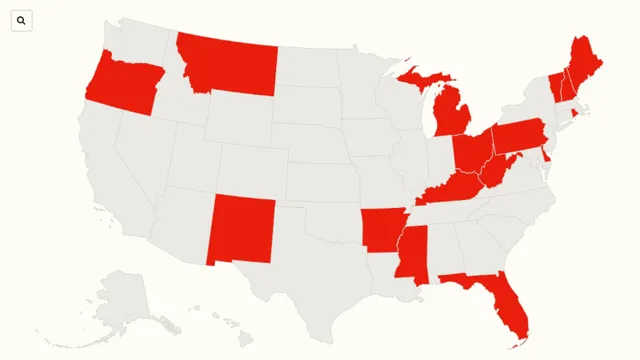
In the United States, a significant demographic shift has been observed, with data from the U.S. Census Bureau indicating that between July 2024 and July 2025, 17 states experienced a natural population decline, where deaths outnumbered births. This marks a notable increase from the previous decade, where typically only four states faced such a decline. The states most affected include Pennsylvania, West Virginia, Maine, and Michigan, which are primarily located in the Northeast and Appalachia regions, known for their older populations.
Several factors contribute to this trend, including rising housing costs, delayed marriage, and changing cultural attitudes towards family planning. Experts suggest that the financial burden of raising children is a significant deterrent for many families considering having more children. Divya Sangameshwar, a researcher at LendingTree, highlighted that many families find it unfeasible to expand their households due to economic constraints.
While some states are experiencing a natural decrease, others, like Texas, California, and New York, continue to see population growth due to higher birth rates. Texas, for instance, recorded approximately 157,700 more births than deaths during the same period. This disparity underscores the importance of migration as a factor in population dynamics. States like Florida, despite experiencing a natural decrease, are still among the fastest-growing due to an influx of new residents from other states and countries.
As the U.S. population continues to age and fertility rates remain low, the role of migration in maintaining population growth is expected to become increasingly critical. States that do not attract new residents may face long-term economic challenges, particularly in supporting local businesses and sustaining programs like Social Security and Medicare. The future of these states may hinge on their ability to adapt to these demographic changes and find ways to encourage population growth through immigration and other means.