

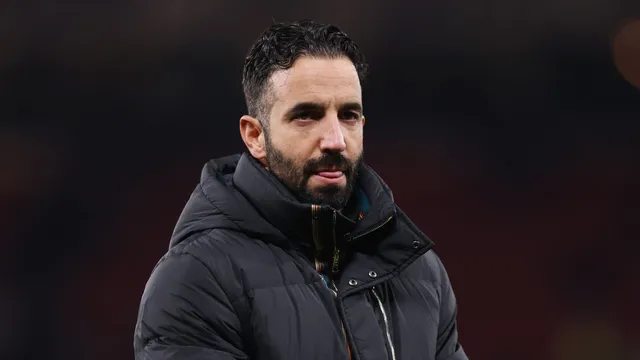
Ruben Amorim criticizes Manchester United youth for entitlement
Ruben Amorim criticizes Manchester United youth for entitlement
- Ruben Amorim has openly criticized the entitlement culture among Manchester United's young players.
- He specifically mentioned Kobbie Mainoo, Harry Amass, and Chido Obi as examples of players needing to change their attitudes.
- Amorim believes addressing this issue is essential for improving Manchester United's overall performance.
Story
In a recent press conference before a match against Aston Villa, Ruben Amorim, the head coach of Manchester United, strongly criticized the attitude of several young players at the club, specifically mentioning Kobbie Mainoo, Harry Amass, and Chido Obi. Amorim pointed out an alarming sense of entitlement among these players, suggesting that this cultural issue is holding the team back from reaching its potential. He emphasized the need for a change in mindset, asserting that players should recognize the significance of playing for a prestigious club like Manchester United. He referred to incidents where young players responded defiantly to criticism on social media, highlighting a broader problem of young players forgetting the club's values and history. Furthermore, Amorim urged Mainoo to stay and fight for a spot on the team instead of considering a transfer. He reiterated his open-door policy for players, indicating he wishes to facilitate better communication within the squad. The backdrop of this situation includes a T-shirt incident involving Mainoo's half-brother, which publicly displayed support for Mainoo while calling for recognition from the management. Amorim stated that while he understands the pressures young players face, it is crucial to address their grievances internally rather than through public declarations. As the club grapples with performance issues, Amorim’s call for a cultural shift signifies the importance of maturity and professionalism for the younger players.


