

Oldest known whale song reveals quieter ocean conditions in 1949
Oldest known whale song reveals quieter ocean conditions in 1949
- In March 1949, Woods Hole scientists recorded the song of a humpback whale off Bermuda using early underwater recording equipment.
- The whale song was preserved on a plastic disc, which has lasted while most tape recordings from that time have deteriorated.
- This discovery opens opportunities to study the effects of modern ocean noise on whale communication and raises awareness about the importance of marine ecosystems.
Story
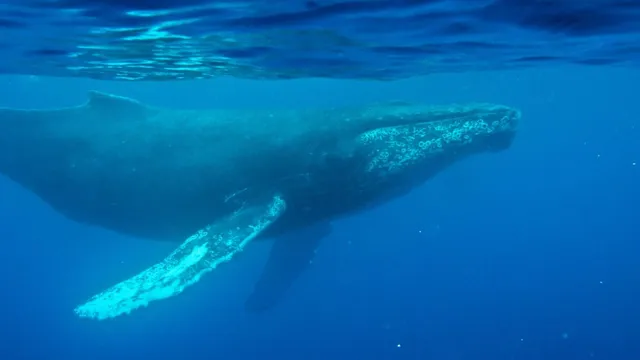
In March 1949, researchers from the Woods Hole Oceanographic Institution in Bermuda recorded the song of a humpback whale, marking it as the oldest known recording of this species. This valuable recording was made during a time when the ocean was significantly quieter than it is today. The recorded sounds were found on a plastic disc labeled 'fish noises,' which had been preserved for 75 years. During that period, the researchers were testing sonar systems and experimenting with acoustic methods, inadvertently capturing these important vocalizations of the humpback whale. The significance of this discovery lies not only in the whale song itself but also in the context of the ocean's more peaceful soundscape during the late 1940s. Marine bioacoustician Peter Tyack noted that the recordings provide critical insights into how human-made noises, such as increasing shipping traffic, affect whale communication. The study indicates that contemporary ocean conditions have changed dramatically, with a tenfold increase in underwater noise levels since the 1960s. Sound plays an essential role in the lives of whales, aiding in their navigation, social interactions, and foraging activities. Understanding the quiet ocean environment of the late 1940s may help researchers reconstruct how these animals communicate today. This discovery has ignited interest in understanding whale songs, as humpback whales are known for their complex and repeating sounds that can have a haunting quality. The recordings captured not only the melodic cries of the whales but also demonstrate the environmental conditions that shaped their communication. Hansen Johnson, a research scientist from the Anderson Cabot Center for Ocean Life, emphasized that the beauty of the recording has inspired curiosity about ocean life and may contribute to conservation efforts. The findings also have implications for future studies on the effects of noise pollution in marine environments, emphasizing the need to protect marine ecosystems from human impacts. The antique recording, preserved on a Gray Audograph disc, highlights the technological evolution of marine biology and the importance of careful, patient scientific inquiry, as the researchers in 1949 did not initially understand the significance of their findings.
Context
The impact of ocean noise on whale communication has become an increasingly pressing issue as industrial activities and maritime traffic continue to rise. Underwater noise pollution is primarily generated by shipping, oil drilling, construction, and military sonar practices. These activities introduce a cacophony of sounds into marine environments, which can significantly interfere with the natural communication systems of whales. Whales, relying on sound as their principal mode of communication for social interactions, navigation, and hunting, are particularly vulnerable to disruptions caused by increased ambient noise levels in their habitats. As a result, researchers have emphasized the need to understand the implications of these disturbances on whale populations and behaviors. One significant consequence of heightened noise levels is the masking of important acoustic signals. Whales utilize specific calls and vocalizations to convey messages to one another, such as mating calls, mother-calf communication, and signals related to foraging. When these sounds are obscured by louder industrial noises, such as ship engine sounds or pile driving, whales may find it increasingly difficult to communicate effectively. In addition, studies have shown that some species may alter their vocalization patterns to compensate for the noise. For instance, they may increase the frequency or amplitude of their calls, which can be energetically costly and may lead to decreased foraging efficiency or disruptions in social bonding. Furthermore, chronic exposure to elevated noise levels can lead to stress responses in whales, potentially affecting their health and reproductive success. The physiological stress responses associated with noise pollution may manifest in altered hormone levels, impaired immune function, and changes in behavior. Additionally, studies have indicated that some whale species may change their migratory routes to avoid noisy areas, which could have ramifications for their breeding and feeding grounds. Such behavioral modifications highlight the adaptability of these marine mammals, but persistent exposure to noise pollution might ultimately lead to population declines and reduced genetic diversity in impacted areas. Mitigation measures are essential to addressing the deleterious effects of ocean noise on whale communication. Implementing quieter technologies for shipping, establishing marine protected areas, and regulating noise production during critical times for whales, such as breeding or feeding seasons, can contribute to reducing noise pollution. Furthermore, increased awareness and collaboration between stakeholders, including governments, researchers, and the shipping industry, can foster more sustainable practices. It is vital that ongoing research continues to monitor the impacts of ocean noise on whale populations so that effective conservation strategies can be developed and implemented, ensuring the survival of these majestic creatures in their increasingly noisy world.


