

Scientists test strategies to protect homes from wildfire threats
Scientists test strategies to protect homes from wildfire threats
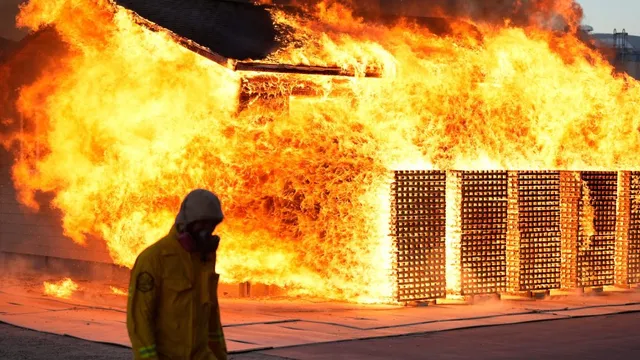
- Researchers in South Carolina set fire to homes to study fire spread and protection methods.
- The ongoing rise in wildfire incidents has been linked to climate change and increased development.
- Effective home protection strategies are vital as the threat of wildfires continues to grow.
Story
In South Carolina, researchers conducted tests to improve home resilience against wildfires, reflecting growing concerns over damage caused by increasing wildfire intensity. They set fire to 13 houses to analyze how fire spreads and how various materials can be employed to protect homes. The Insurance Institute for Business & Home Safety is at the forefront of this research, exploring the impacts of changing climate conditions on fire seasons and the urgency to prevent wildfires from causing damages typically seen in extensive areas. The testing site in Richburg, South Carolina, is crucial for understanding these large-scale disasters. Recent studies show that from 2016 to 2025, wildfires in the U.S. have burned an area larger than Massachusetts each year. This trend highlights the growing severity of wildfires, with a burn area 2.6 times larger than that of the 1980s. The rise in wildfire incidents correlates with climate change, which lengthens fire seasons and pressures neighborhoods prone to fire threats due to increasing development. The ongoing drought in much of the United States exacerbates wildfire risks, particularly in the West and Southeast. Researchers recommend creating safe buffer zones around homes, ensuring that flammable materials, such as pine straw and wooden structures, are removed or kept at a distance of at least 5 feet. Special tests involved controlled fires set around structures designed to mimic real-world situations, providing critical data on how fire behaves in various conditions. Innovations like ember-stopping systems and fire retardants are being developed as a response to the lessons learned from previous wildfire events, especially from destructive fires, such as the 2018 Woolsey fire in California. These products focus on preventing embers from igniting homes’ attics, which is a common entry point for fire damage. The results from the testing and innovations are essential for homeowners seeking to protect their homes amidst the growing threat of wildfires, as both climate change and land development continue to amplify risks.
Context
Climate change is increasingly recognized as a critical driver of wildfire severity, impacting both the frequency and scale of wildfires globally. As average temperatures rise due to climate change, the conditions conducive to wildfires become more prevalent. Warmer temperatures lead to the drying of vegetation and soils, creating ideal fuel for wildfires. Additionally, shifts in precipitation patterns can result in prolonged drought periods or, conversely, intense rainfall that promotes the growth of vegetation, which later becomes fuel for future fires. The cumulative effect of these factors leads to an overall increase in wildfire intensity and duration, escalating the challenges faced by ecosystems and human communities alike. The amplification of wildfire severity by climate change poses significant risks to biodiversity and ecosystem stability. Forests and grasslands, already stressed by changing climate conditions, struggle to recover from the increased frequency of fires. Many species, especially those that are already endangered, face habitat loss and fragmentation, further threatening their survival. The likelihood of invasive species establishing themselves in fire-damaged areas increases, thus altering ecosystem dynamics and potentially displacing native flora and fauna. Efforts to understand and mitigate these impacts are crucial to preserve biodiversity and maintain ecosystem services that are vital for human life. In addition to ecological concerns, the socioeconomic ramifications of intensified wildfires are profound. Communities located in wildfire-prone areas face increased risks to life and property, resulting in displacement and economic hardship. The costs associated with wildfire management, firefighting, recovery, and rebuilding are substantial and often overwhelm local economies, necessitating federal and state assistance. Furthermore, the air quality deteriorates in the vicinity of wildfires, leading to health problems in affected populations, especially for those with pre-existing conditions such as asthma or other respiratory illnesses. As climate change continues to exacerbate fire conditions, the approach to fire management will need to evolve to incorporate adaptive strategies that align with the realities of a changing climate. Future research and policy development must prioritize the relationship between climate change and wildfire behavior. A multidisciplinary approach is crucial to develop effective mitigation strategies that encompass forest management, urban planning, and climate adaptation measures. By enhancing cooperation between researchers, policymakers, and local communities, it will be possible to build resilience against the increasing threat of wildfires. This includes investing in early warning systems, improving land-use planning to minimize fire risks, and engaging in community education and preparedness initiatives. Ultimately, addressing the impact of climate change on wildfire severity requires urgent action across all levels of society to ensure the protection of ecosystems and communities in the face of an uncertain future.


