

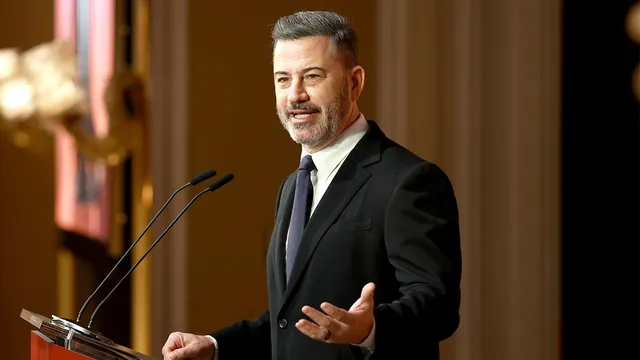
FCC threatens late-night hosts with new political interview rules
FCC threatens late-night hosts with new political interview rules
- The FCC provided new guidance to broadcast networks regarding political candidate appearances, aiming to enforce equal opportunity rules.
- Late-night hosts, including Jimmy Kimmel and Stephen Colbert, expressed concerns that these rules could limit their ability to interview politicians.
- Kimmel and other hosts call for audience support in response to what they view as a threat to their shows and political discourse.
Story
In the United States, the Federal Communications Commission (FCC) announced new guidance targeting late-night and daytime talk shows, emphasizing the statutory requirement for equal opportunities for political candidates. This decision comes in the wake of public statements from prominent late-night hosts like Jimmy Kimmel and Stephen Colbert, who claim the FCC is attempting to limit their ability to interview politicians they do not support. Kimmel expressed his concern by inviting audience participation, stating the FCC's actions threaten the show's guest interactions. The agency referenced the Communications Act of 1934, which mandates that if a broadcast station allows any legally qualified candidate for public office to use its facilities, it must equally provide an opportunity to all other candidates for that office. This guidance from the FCC has raised alarms among network executives and political commentators who argue it restricts freedom of speech and undermines the role of these talk shows in the political discourse. Stephen Colbert echoed Kimmel’s sentiment, suggesting that the FCC’s move aims to target liberal hosts like himself, Kimmel, and Seth Meyers, limiting their engagements with political figures. This comes after years of allowing talk shows to interview candidates with minimal restrictions, often favoring those who align with the show's ideology. Kimmel’s remarks included humor reflecting the challenges of dealing with political figures like President Donald Trump, whom he invited to participate in a humorous skit. He continued to underscore the FCC's influence as a predictable obstacle against talk shows, urging audience support to combat this perceived threat to their programming. The new enforcement guidelines signal a stark shift designed to bring more political parity to television, but critics assert it could significantly dampen the unique American cultural tradition of political satire and late-night comedy. As this debate unfolds, many are left to wonder how these changes will affect the landscape of political commentary on television. The FCC has decided to enforce long-dormant rules under which interviews with candidates do not qualify for the 'bona fide' news exemption, thus necessitating that networks adhere closely to equal opportunity regulations. The impact of these guidelines will likely reverberate through the television industry, influencing how producers craft their context for political conversations and shaping audience connections to their favorite late-night shows as they navigate this new regulatory landscape.


