

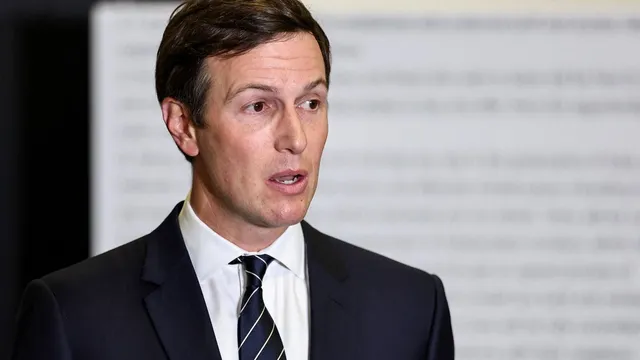
Jared Kushner backs Paramount's aggressive takeover attempt of Warner Bros
Jared Kushner backs Paramount's aggressive takeover attempt of Warner Bros
- Jared Kushner's Affinity Capital is involved in backing Paramount's hostile takeover attempt for Warner Bros.
- Paramount seeks to gain shareholder support against Netflix's proposed acquisition of Warner Bros. at $82.7 billion.
- Kushner's ties to the Trump administration may influence shareholder decisions given the political climate.
Story
In a significant move within the entertainment industry, Jared Kushner's private equity firm, Affinity Capital, has joined the ongoing hostile takeover bid by Paramount for Warner Bros. This event transpired amidst a competitive landscape where Paramount seeks to convince Warner Bros. Discovery shareholders to reject Netflix's $82.7 billion acquisition deal that was previously approved by Warner's board of directors. The backdrop to this corporate battle includes accusations from Donald Trump, who publicly criticized Paramount's leadership for allowing controversial programming on its network, 60 Minutes, further complicating the dynamics at play in this bidding war. Jared Kushner's involvement is noteworthy due to his close ties to the Trump administration, which Paramount hopes could influence shareholders as they deliberate on their options. The regulatory environment under the Trump administration is expected to pose fewer challenges for Paramount's bid compared to the deal proposed by Netflix. Paramount has publicly stated a $30-per-share offering as part of their endeavor to acquire Warner Bros. This undertaking has also led to power plays and maneuvering amongst major players in the entertainment industry, underlining the stakes involved in the acquisition bid. Additionally, the involvement of Middle Eastern sovereign wealth funds, including those from Saudi Arabia, Qatar, and Abu Dhabi, raises geopolitical questions and potential scrutiny from U.S. government authorities regarding foreign investments in American media. Paramount disclosed their SEC filing indicating that these funds were included in the financial backing for their takeover bid. Despite previous claims denied by Paramount, the involvement of such international players signals the considerable resources available for the attempted acquisition. As this situation evolves, it reflects a broader trend in the entertainment industry where significant mergers and acquisitions are common, driven by the ever-growing demand for digital content. Paramount’s effort to acquire Warner Bros. is emblematic of the fierce competition in the market and illustrates how intertwined corporate interests are with political relationships in today's media landscape. This merger—a pivot toward integrating news services under a more conservative banner—could reshape the narrative and programming landscape offered to American audiences if successful.
Context
analysis shift insight global shift analysis market analysis data trends economic trends trends analysis data trends trends analysis geopolitical global global policy data data global policy strategic data geopolitical shift analysis impact insight shift economic analysis economic analysis data strategic strategic market strategic market data trends strategic policy impact data strategic data market policy insight global geopolitical impact analysis economic impact shift geopolitical trends trends policy insight impact market global economic analysis trends market data trends data data economic insight...


