

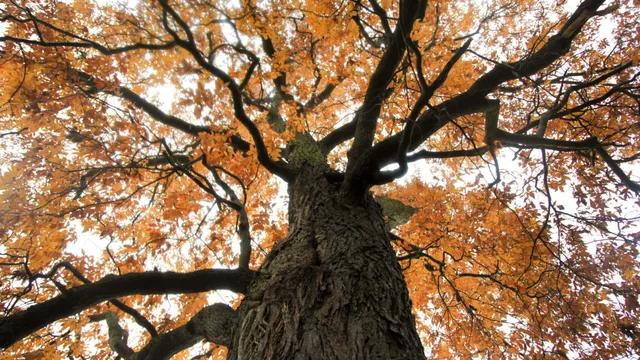
Researchers aim to restore American chestnut tree with modern techniques
Researchers aim to restore American chestnut tree with modern techniques
- The American chestnut tree has been nearly wiped out by invasive fungi.
- Researchers are utilizing interbreeding and genetic modification to develop resistant hybrid strains.
- The goal is to restore the American chestnut tree to its native habitat by applying modern scientific techniques.
Story
In the United States, researchers have been working to bring back the American chestnut tree, which has been declared functionally extinct due to invasive pathogens that devastated it in its native range. This project has gained significant attention, especially after an article published in the journal Science highlighted the innovative approaches being utilized to combat the challenges posed by the invasive fungi. The first step in this restoration effort involves the identification of trees planted in areas where the two damaging fungi do not grow well. These remaining trees provide a foundation to breed and create hybrids that can resist the pathogens responsible for their near extinction. The main pathogens threatening the American chestnut are two Asian fungi: one is responsible for chestnut blight and the other for root rot disease. Scientists are exploring the possibility of interbreeding surviving American chestnuts with Asian chestnut species that possess resistance to these pathogens. Interbreeding might produce a strain that not only withstands the fungi but also flourishes in the forests of the Appalachians. However, tree growth is notoriously slow, which poses difficulties in reaching a mature size for seed production, hence delaying the restoration timeline. Additionally, advancements in genetic engineering have played a crucial part in this restoration endeavor. Researchers have inserted a gene from wheat – the one that produces an enzyme capable of degrading oxalic acid – into the genome of the American chestnut. This genetically modified variant has shown promising results, with about 4 percent of the modified trees exhibiting high resistance to blight, along with growth comparable to unmodified specimens. The natural progeny from remaining American chestnuts also show promising growth traits similar to their predecessors but only a small number of trees displayed resistance above a certain threshold. Despite these advances, researchers caution against the potential risks of inbreeding during the interbreeding process. Genetic diversity is critical for resilience in the wild, and it is essential to balance breeding for resistance with the genetic characteristics of the native American chestnut trees. The researchers also note that while there may be limited alleles that impact root rot resistance, a strategic breeding approach could still yield optimistic outcomes. The optimism surrounding this project is based on the goal of combining techniques: selecting resistant American chestnuts, breeding hybrids, and applying genetic modification to facilitate the return of this iconic tree to its native habitat in North America, signaling a beacon of hope for biodiversity conservation efforts.


