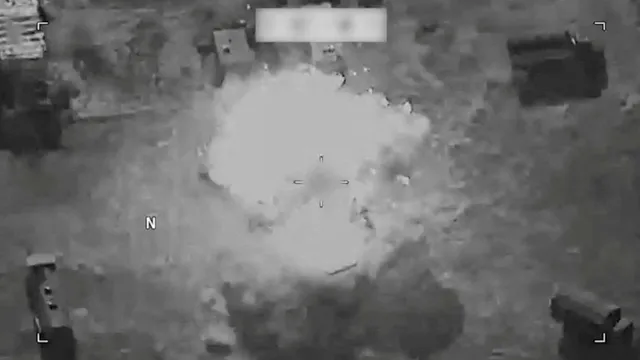
The history of US-Iran military conflicts is a complex narrative shaped by geopolitical interests, ideological differences, and historical grievances. The roots of the conflict can be traced back to the early 20th century, but the modern phase began with the 1953 CIA-backed coup that overthrew Iran's democratically elected Prime Minister Mohammad Mossadegh. This event fostered deep-seated resentment among Iranians towards the United States, culminating in the 1979 Iranian Revolution, which established the Islamic Republic of Iran and led to the seizure of the US Embassy in Tehran. The hostage crisis that followed marked a significant turning point, leading to the severance of diplomatic ties and the beginning of a hostile relationship characterized by mutual distrust and animosity.
Throughout the 1980s, the US-Iran conflict intensified during the Iran-Iraq War, where the US supported Iraq under Saddam Hussein, providing intelligence and military aid. This period saw numerous skirmishes, including the infamous 1988 USS Vincennes incident, where an American warship shot down an Iranian passenger plane, killing all aboard. The end of the war did not bring peace; instead, it set the stage for further confrontations, particularly as Iran sought to expand its influence in the region, which the US viewed as a direct threat to its interests and allies, especially Israel and the Gulf States.
In the 2000s, the conflict evolved with the US-led invasion of Iraq in 2003, which significantly altered the balance of power in the region. Iran capitalized on the power vacuum left by the ousting of Saddam Hussein, increasing its influence in Iraq and supporting various militant groups. This led to heightened tensions, as the US accused Iran of destabilizing the region and supporting terrorism. The situation escalated further with the nuclear program controversy, leading to a series of sanctions against Iran and military posturing from both sides. The 2015 Joint Comprehensive Plan of Action (JCPOA) was a brief moment of diplomatic thawing, but the US withdrawal from the agreement in 2018 under President Trump reignited hostilities, leading to a series of military confrontations, including the assassination of Iranian General Qassem Soleimani in 2020.
As of 2026, the US-Iran military conflicts remain unresolved, with both nations continuing to engage in proxy wars and military posturing. The ongoing tensions are exacerbated by Iran's nuclear ambitions and its support for militant groups across the Middle East. The potential for conflict remains high, as both nations navigate a complex web of alliances and enmities. The future of US-Iran relations will likely depend on diplomatic efforts to address mutual concerns, regional stability, and the broader implications of their rivalry on global security.