

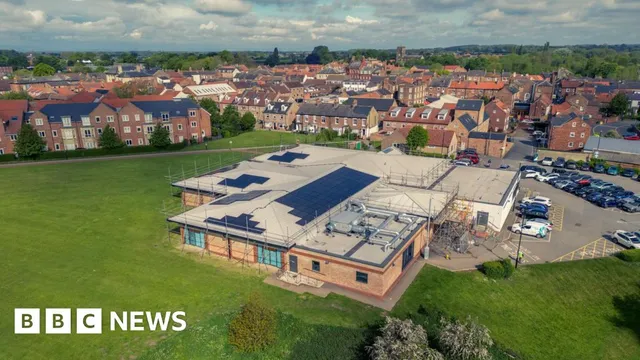
Reading installs 609 solar panels at bus depot to boost community energy
Reading installs 609 solar panels at bus depot to boost community energy
- Reading Community Energy Society is installing over 600 solar panels at the bus depot.
- The project will generate enough energy to power approximately 80 homes while allowing residents to invest as shareholders.
- This scheme is a step towards enhancing local sustainability and reducing energy costs for the community.
Story
In Reading, England, the Reading Community Energy Society (RCES) initiated a project to install 609 community-owned solar panels at the Reading Buses Depot. The project, costing £207,000, is set to transform the depot into the largest solar power plant in Reading town centre, generating renewable energy to supply the depot and potentially powering around 80 homes. The scheme, spearheaded by a collaboration between RCES, Reading Borough Council, and Reading Buses, enables local residents to invest in the project and become shareholders. The income from energy sales will be used to pay shareholders and fund further sustainability initiatives. Over the past decade, RCES has installed solar panels on 23 community sites in Reading, further promoting sustainable energy solutions. This particular project is notable for its community-driven focus which not only helps in reducing energy costs for the depot but also showcases the potential for similar initiatives throughout the region. Community Benefit Societies like RCES aim to implement projects that deliver social and environmental benefits, contributing to broader sustainability efforts. The installation at Reading Buses Depot is part of a growing trend in the UK towards renewable energy and community engagement in energy projects. By allowing local residents to invest directly in such initiatives, RCES fosters a sense of ownership and responsibility among the community. These solar panels will also generate revenue by selling any excess energy back to the National Grid, enhancing the financial viability of the project and supporting other local sustainability initiatives. Tony Cowling, chair of RCES, highlighted the benefits of community energy, noting its role in reducing energy costs and promoting local sustainability. The success of this project could inspire similar community energy projects not just within Reading but also across other areas as they seek ways to enhance energy efficiency and contribute to climate goals. As more local authorities focus on renewable energy solutions, projects like those managed by RCES point towards a future where communities play a pivotal role in their energy production and consumption patterns.


