

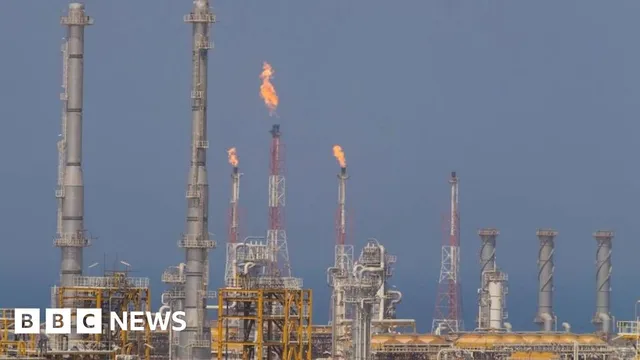
Iran retaliates with strikes on Gulf energy facilities after Israeli attack
Iran retaliates with strikes on Gulf energy facilities after Israeli attack
- Iran has targeted vital energy infrastructure in the Gulf states following an Israeli strike.
- The UAE and Saudi Arabia reported various incidents, including missile interceptions over their territories.
- Escalating tensions could disrupt global oil supplies and reflect deepening regional conflict.
Story
Iran has escalated its military operations against neighboring Gulf states in response to an Israeli airstrike on its largest gas field. Following Israel's attack on February 28, Iranian forces have targeted energy infrastructure in several Gulf countries, including Qatar and Saudi Arabia. This significant military escalation began with Israel's assault on Iranian assets, prompting Tehran to declare its energy facilities in the Gulf region as legitimate targets. The Qatari Foreign Ministry condemned the attacks, emphasizing that they posed a direct threat to its national security and stability in the area. As part of its retaliatory measures, Iran has executed drone strikes and missile attacks on key oil facilities. This involved attacks on a liquefied natural gas terminal in Qatar, marking one of the most serious threats to its energy sector since the onset of hostilities. The impacts of these strikes have resulted in substantial damages and forced evacuations, contributing to heightened tensions in the region. Saudi Arabia's Ministry of Defense confirmed that it had intercepted missiles and drones aimed at its oil refining infrastructure, underscoring the potential for widespread disruption to global energy supplies. The international community remains wary of the rising hostilities, particularly due to the strategic significance of the Strait of Hormuz, through which a substantial portion of the world’s oil supply transits. Increased military activities around this chokepoint have raised concerns about possible long-term impact on global energy prices and stability. Officials from the UAE reported shutting down airspace in response to threats from Iranian missile and drone attacks, further complicating the geopolitical landscape. This cycle of violence has already led to significant casualties, displacing populations and inciting further military mobilization from both sides. The situation has escalated into a broader regional conflict, with implications not only for the involved states but also for global energy security. With rising oil prices affecting economies worldwide, diplomatic efforts to de-escalate the crisis are urgently needed, although skepticism persists regarding the resolution of such entrenched hostilities.
Context
The current status of the conflict between Israel and Iran remains a prominent concern in Middle Eastern geopolitics, reflecting deep-rooted tensions that have evolved over decades. The conflict is characterized by a combination of military posturing, proxy wars, and rhetoric that exacerbates the situation. In recent years, Iran has advanced its nuclear program, leading to increased scrutiny and threatening Israel's national security. The Israeli government perceives Iran's nuclear ambitions as an imminent threat, prompting a series of preemptive strategies, including cyber warfare and targeted operations against Iranian military infrastructure in Syria, Lebanon, and Iraq. These operations aim to diminish Iran's influence in the region while assuring its own defense posture against a potential nuclear-capable adversary. Diplomatic efforts have remained largely ineffective in mitigating the conflict, with international negotiations frequently stalling over Iran's nuclear ambitions and military experimentation. The Joint Comprehensive Plan of Action (JCPOA), originally established to curtail Iran's nuclear capabilities, faced challenges after the U.S. withdrawal in 2018. This withdrawal exacerbated tensions and led to Iran's gradual noncompliance with the agreement. Consequently, Israel has sought to strengthen ties with regional allies, including normalization agreements with several Arab states, in a bid to form a united front against Iranian influence and expand military cooperation. Militarily, both nations are increasingly prepared for a potential confrontation. Israel has ramped up its defense budget and invested in advanced technologies such as the Iron Dome and David's Sling interception systems. Simultaneously, Iran continues to develop its missile programs and enhance its asymmetric warfare capabilities through proxies like Hezbollah and Hamas. The threat posed by these groups is a significant concern for Israel, leading to a strategy that emphasizes preemptive strikes and intelligence operations to counter potential attacks effectively. Fortunately, direct military engagement between Iran and Israel remains limited, but the risks of sporadic escalations persist, particularly as regional tensions mount. Public sentiment within both nations contributes to the ongoing conflict, as political leaders leverage nationalistic rhetoric often fueled by historical grievances and territorial disputes. The Iranian regime portrays Israel as a primary adversary, using this stance to bolster domestic support, while Israeli leadership underscores the existential threat posed by a hostile Iranian regime. As of March 2026, the conflict remains fluid; diplomatic avenues are necessary yet scarce, and without significant international intervention, the risk of armed conflict escalating remains high.


