

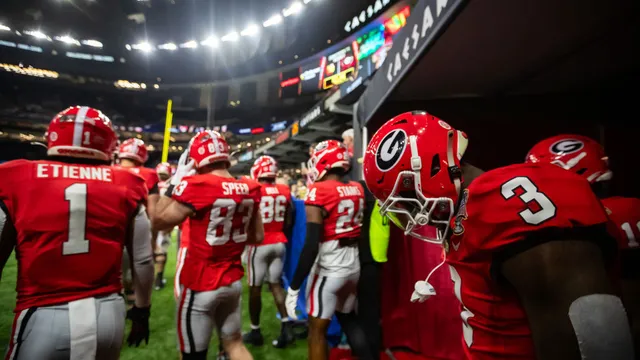
Georgia Bulldogs honor victims of New Orleans terror attack during Sugar Bowl return
Georgia Bulldogs honor victims of New Orleans terror attack during Sugar Bowl return
- The Georgia Bulldogs returned to New Orleans a year after a terrorist attack that changed the city's festive atmosphere.
- Players and coaching staff reflected on the impact of the tragedy during their visit, commemorating those affected by the attack.
- The game served not only as a sporting event but also as a tribute to the resilience of the city and a remembrance of the victims.
Story
In January 2025, in New Orleans, Louisiana, the city was a somber backdrop for the Sugar Bowl as the Georgia Bulldogs revisited the site of a tragic terror attack that had occurred the previous year. On the morning of that fateful day, both Georgia and Notre Dame football teams were preparing for their playoff game when the devastating news of the attack broke. Players were awakened by frantic messages from loved ones checking on their safety as news of the chaos unfolded. This marked a drastic shift in the focus from football to the recovery efforts for those injured and mourning the loss of those who died in the attack. Following the horrifying events, the Sugar Bowl, originally a celebration of college football, became a poignant tribute dedicated to the lives affected by the tragedy. Upon returning to New Orleans a year later, many players took the opportunity to reflect on the attack that changed the city and the holiday experience. Georgia's Daylen Everette expressed feeling thankful for the security measures in place but acknowledged the emotional weight of reconvening in a city marked by loss. The atmosphere was a mixture of strength and sorrow, as players prepared to honor the victims and their families while also engaging in the competitive spirit of college football. The memorials scattered throughout the French Quarter served as reminders of the lives lost and those still recovering, pushing the team to dedicate their efforts on the field to the resilience of New Orleans. Kirby Smart, head coach of the Bulldogs, recalled his personal experiences from the last trip, reflecting on the stark contrast between the anticipated celebration of New Year's and the tragic events that unfolded instead. The games, initially meant to foster excitement and communal joy, took on new meaning as players were committed to honoring both the city and the memories of those who were no longer with them. Ultimately, the return to New Orleans allowed the Georgia Bulldogs to not only compete on the field but also to engage in a powerful collective remembrance of a city striving to heal from the scars of violence and regain its spirit of celebration. The team recognized that their presence in New Orleans would be about more than the game; it would serve as a moment of reflection and tribute within the vibrant yet somber community that had faced profound loss and demonstrated incredible resilience.


