

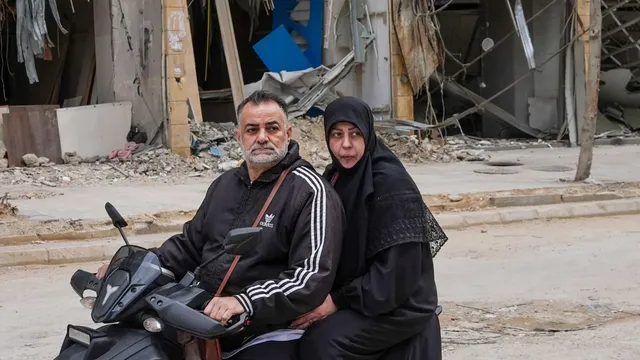
Israel and Lebanon extend ceasefire amid ongoing tensions
Israel and Lebanon extend ceasefire amid ongoing tensions
- Israel and Lebanon have agreed to extend their ceasefire for three weeks amid rising tensions.
- This ceasefire aims to provide space to work on a long-term peace deal and addresses significant humanitarian issues.
- The development highlights the fragile situation in the region, which requires careful diplomatic efforts to ensure stability.
Story
In a critical development for Middle Eastern stability, Israel and Lebanon have officially agreed to extend their ceasefire following escalating tensions due to the persistent threat posed by Hezbollah militants. This announcement, made by President Donald Trump, marks a significant moment as the ceasefire provides a temporary respite to ongoing hostilities that have plagued the region. The extension is intended to create the necessary space for potential long-term negotiations aimed at de-escalating the conflict. More than a million Lebanese have been displaced due to the previous military conflicts, leading to dire humanitarian concerns. Without a stable resolution, the situation continues to threaten peace in both Israel and Lebanon. The regional crisis has seen over 2,200 deaths in Lebanon and 32 fatalities in Gulf states, adding pressure on both nations. As tensions escalate, Iran's involvement complicates the situation, particularly regarding its stance on negotiations with the United States. The U.S. imposes sanctions against Iranian oil, further straining relations. Simultaneously, U.S. forces are enforcing a naval blockade aimed at denying passage to adversaries, maintaining pressure on Iran while the nation’s military leadership issues stern warnings regarding retaliatory actions against any strikes on its oil facilities. Trump's stance, emphasizing there is 'no time pressure' in negotiations with Iran, adds to the uncertainty surrounding peace talks. Statements from Iranian officials suggest that their nation will consider military action if the U.S. refuses to engage meaningfully in discussions. This rhetoric underscores the potential for further conflict if satisfactory resolutions are not reached. The extension of the ceasefire is viewed as a double-edged sword by many analysts. On one hand, it allows for humanitarian aid to reach increasingly desperate populations in both countries; on the other hand, it reflects the fragile state of affairs that allows only temporary solutions without addressing underlying issues caused by Hezbollah’s aggressive posture and Iran's influence in the region. As regional powers evaluate their strategies in light of the ceasefire, the international community watches closely, hoping for a more stable and lasting peace in the area.
Context
analysis insight analysis global impact analysis market trends policy strategic market market policy trends shift global global data trends strategic policy policy shift economic data policy insight insight economic trends global shift analysis economic economic global analysis impact global strategic trends geopolitical trends strategic policy policy economic market geopolitical geopolitical policy policy strategic strategic economic market impact economic economic trends trends strategic shift trends insight insight insight impact strategic economic trends impact analysis strategic economic insight geopolitical data analysis global...


