

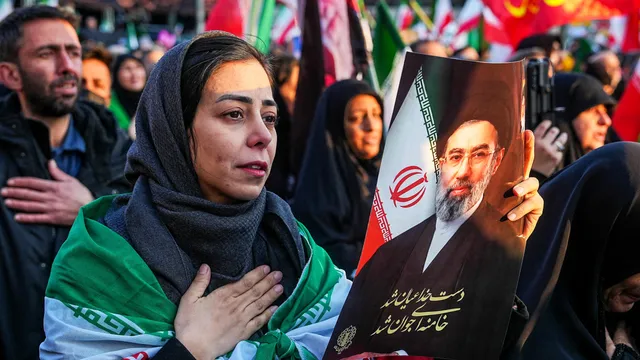
Iran threatens oil blockade amid escalating US-Israel conflict
Iran threatens oil blockade amid escalating US-Israel conflict
- Iran has vowed to blockade oil shipments if attacks from the US and Israel persist, emphasizing their military readiness.
- Tensions in the region have shifted oil prices dramatically, highlighting fears of a potential supply crisis.
- The situation poses significant risks to global energy markets and challenges for international shipping.
Story
In recent days, Iran's Revolutionary Guards declared that they would not allow any oil to leave the Middle East if attacks from the United States and Israel persist. This announcement came as the conflict in the region has intensified, with both sides launching air and missile strikes. On March 10, Iranian military officials warned of severe consequences, emphasizing their readiness to escalate military actions, particularly in the crucial Strait of Hormuz, which is vital for global oil shipments. In response, US President Donald Trump issued stark warnings about the potential for heightened military strikes against Iran if oil tanker traffic through this strategic waterway is disrupted. The situation has led to notable volatility in oil markets, with prices fluctuating dramatically due to the heightened tensions and threats from both sides. On March 9, Brent crude futures saw an increase of nearly 29% as fears of a significant supply crisis escalated. However, the price dipped again as market analysts began to speculate that the conflict might be resolved quickly. Some experts are cautioning that the ongoing war could potentially lead to soaring oil prices, significantly affecting global energy markets if the blockade remains in place. Iran has experienced significant casualties since the beginning of the Israeli and US aerial campaigns, with thousands reportedly killed or wounded. The Iranian government has asserted that it is determined to maintain its oil exports unless the military operations against it cease. Meanwhile, the US, backed by Israel, aims to undermine Iran's nuclear capabilities and military strength by conducting airstrikes intended to cripple Iran’s resources and infrastructure aimed at disrupting oil shipping. Despite ongoing threats, analysts suggest that the US aims to balance military responses with strategies to ensure the stability of global oil flows. As a result, US naval forces remain stationed in the region to deter Iranian actions in the Strait of Hormuz while attempting to protect shipping routes vital to the global economy. The conflict has also put pressure on oil prices affecting markets around the world, notably for countries that heavily rely on oil imports. Given the circumstances, regional and international actors are closely monitoring the situation as it develops, and diplomatic engagements appear limited, further complicating potential resolutions to reduce tensions in the region.
Context
The impact of the Iran war on global oil prices has been significant and multifaceted, influencing both market dynamics and geopolitical relations. Historically, Iran has been one of the largest oil producers in the Middle East, and any conflict involving the nation typically sends shockwaves through the global oil market. The outbreak of war often leads to immediate fears of supply disruption, resulting in increased oil prices as traders anticipate reduced availability of crude oil. This phenomenon is especially pronounced given Iran's strategic positioning in the Strait of Hormuz, a critical chokepoint through which a substantial portion of the world's oil supply is transported. Furthermore, the geopolitical implications of military actions in Iran must be considered. An escalation in military conflict may lead to reactions from other oil-producing nations, potentially resulting in coordinated production cuts or retaliatory actions that further exacerbate price increases. This unpredictability in oil supply contributes to heightened volatility in the energy markets, often leading to speculative trading that can further inflate oil prices during times of crisis. Investors typically react to news from the region by adjusting their positions, which can create fluctuations in oil futures and spot prices. The historical precedent suggests that such conflicts are conducive to significant reactions in oil prices, particularly if they extend over a longer duration. Additionally, the war in Iran can have broader economic repercussions extending beyond the oil market. As oil prices rise, so too do the costs of transportation and goods, which can lead to inflationary pressures in various economies worldwide. Countries heavily dependent on oil imports will experience constraints on their economic growth, while oil-exporting nations may benefit in the short term due to increased revenues. This duality impacts global economic dynamics, as fluctuations in oil prices can result in uneven economic growth patterns across nations, necessitating adjustments in fiscal and monetary policies. In conclusion, the war in Iran serves as a critical factor impacting global oil prices, navigating through the complex interplay of supply fears, geopolitical tactics, and economic ramifications. Policymakers and market participants must remain vigilant and adaptable in the face of such uncertainties, recognizing that the effects of military conflict on oil prices are profound and lasting. The oil market's reaction to such events emphasizes the intertwined nature of global economics and politics, underscoring the importance of strategic energy policies in mitigating the risks associated with geopolitical instability.


