

Government mandates solar panels and heat pumps in new homes to cut energy bills
Government mandates solar panels and heat pumps in new homes to cut energy bills
- Plug-in solar panels set to be available in shops for homeowners as part of a government initiative.
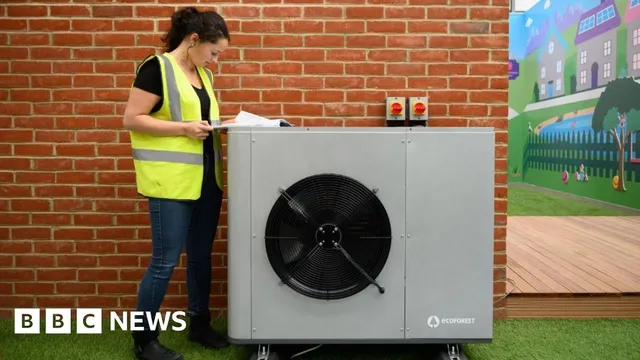
- New homes will be constructed with solar panels and heat pumps as part of the future homes standard.
- These measures aim to reduce energy costs and carbon emissions in response to rising fossil fuel prices.
Story
In response to soaring fossil fuel prices exacerbated by the Iran war, the UK Government has announced a series of measures to promote clean energy. Among these is the introduction of plug-in solar panels for existing homeowners, which will be available in stores within months. This initiative is part of a broader strategy, focusing on energy security and reducing dependency on volatile fossil fuel markets. In tandem, the Government will implement the future homes standard, mandating the construction of new homes equipped with solar panels and heat pumps instead of conventional gas boilers, enhancing energy efficiency and reducing carbon emissions. Along with the push for renewable energy in homes, energy companies will also be able to offer discounted bills to residents near wind farms during windy days to make better use of clean energy generated. These new regulations are expected to significantly lower energy costs for households, with estimates suggesting savings of up to £830 per year based on energy performance certificate ratings. These moves mark a significant shift in the UK's energy policy, showcasing the Government's commitment to delivering a cleaner, more sustainable future for its citizens. The decision to push for renewable energy comes nearly a decade after previous initiatives aimed at net-zero carbon standards were scrapped. Officials are optimistic that the new standards will create at least 75% less carbon emissions compared to homes built under the 2013 guidelines while also ensuring that new properties are more economical to maintain. This transition to clean energy solutions is deemed necessary for protecting households from future shocks in global energy prices resulting from geopolitical factors. The energy sector has responded positively to these announcements, emphasizing that such developments will not only create a healthier environment but also stimulate investment in renewable technologies. Enhanced regulations for construction practices are seen as a pivotal step that will empower consumers, giving them tools to effectively manage their energy costs while supporting the nation's goals towards net-zero carbon emissions.


