

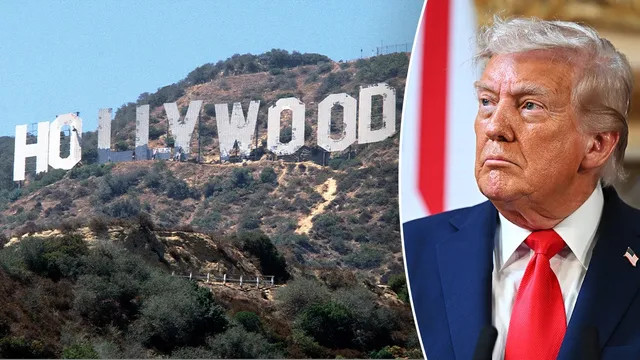
Kristen Stewart considers leaving US over Trump's film industry policies
Kristen Stewart considers leaving US over Trump's film industry policies
- Kristen Stewart expressed concerns about her ability to work freely in the United States.
- She filmed her directorial debut, The Chronology of Water, in Latvia due to restrictive U.S. policies.
- Stewart is considering relocating from the U.S. to enhance her creative freedom in filmmaking.
Story
Kristen Stewart is contemplating a move out of the United States primarily because of President Donald Trump's film industry regulations. In an interview, she expressed that her creative freedom is severely limited in America due to the proposed tariffs on films produced outside the country, which she described as "terrifying" for the industry. Stewart, who has been involved in the film sector for many years, recently completed her directorial debut, The Chronology of Water, which she filmed in Latvia. She believes that working outside of the U.S. might offer her the creative space necessary to grow as a director. Stewart remarked that the era under Trump has caused a significant shift in the entertainment landscape, making it difficult for artists to create as freely as before. Reflecting on her experiences, she noted how people often underestimate the challenges faced by actresses in Hollywood. By moving abroad, she hopes to continue crafting films that resonate with audiences, particularly American viewers, while also escaping the restrictive environment that she associates with the current political climate in the United States. In addition to focusing on her film career, Stewart has previously dealt with intense media scrutiny, including a cheating scandal that involved her director at the time and her costar, Robert Pattinson. This scandal placed her under a spotlight that she has since maneuvered away from, seeking to define herself more fully as an artist. By directing The Chronology of Water, she aims to take control of her narrative, asserting her identity beyond the roles she has become known for. Overall, Stewart's potential exit from the U.S. indicates her desire for creative autonomy and a response to a system she feels is increasingly rigid under Trump's administration. As she continues to navigate her career, her message emphasizes the importance of artistic freedom and the need for filmmakers to forge their own paths in environments that nurture their work. In this regard, it is clear that Stewart’s future projects might increasingly take shape outside of America, highlighting a broader trend among artists seeking refuge in creative hubs elsewhere.
Context
The impact of the Trump administration on Hollywood has been significant and multifaceted, influencing everything from the political themes in films to the operational dynamics of the entertainment industry. During his presidency, Donald Trump’s policies and rhetoric ushered in a wave of political engagement among filmmakers and actors, often galvanizing narratives that challenged his administration's stances. Many artists, feeling the weight of the political climate, used their platforms to voice dissent, push back against perceived injustices, and advocate for social change, which manifested in numerous films, television shows, and public appearances. This heightened political awareness led to a surge in projects that tackled issues such as immigration, climate change, and systemic racism, showcasing how Hollywood can reflect and respond to the socio-political landscape of the country. At the same time, the Trump administration's stance on immigration had direct implications for the entertainment industry, particularly concerning talent acquisition and production logistics. The implementation of stricter immigration policies drew criticism from within Hollywood, where many creative professionals rely on a diverse workforce, including artists and technicians from other countries. The narrative around Hollywood as a supportive space for immigrants intensified, leading both to tensions within the industry and to collective efforts among stakeholders to advocate for more inclusive policies. These developments fueled discussions about representation, diversity, and the industry's responsibility to address broader societal issues. Moreover, the rhetoric and actions of the Trump administration ignited a cultural divide that Hollywood seemed to reflect and amplify. The entertainment industry grappled with polarization among audiences, as certain content became emblematic of the larger cultural conflicts within the country. While some projects received backlash for perceived anti-Trump sentiment, others found success by embracing a more traditional or nationalist perspective. This division prompted producers and studio executives to navigate complex market dynamics, balancing the potential alienation of certain audience segments against the opportunity to resonate with others. Consequently, this environment led to a strategic reassessment of content, with studios considering how political themes might influence box office performance and audience engagement. In conclusion, the Trump administration's tenure significantly impacted Hollywood, prompting not only a surge in politically charged content but also reevaluating the industry's foundational approaches to diversity and representation. The interplay between politics and pop culture became increasingly prominent, making Hollywood a critical battleground for ideas in contemporary American society. As filmmakers and actors continue to negotiate their roles in the cultural discourse, the legacy of these years will likely influence the direction of the industry for years to come, underscoring the importance of artistic expression in the face of political challenges.


