

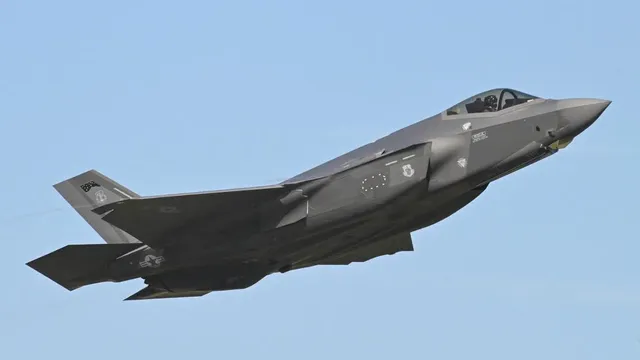
Germany deepens reliance on US military with additional F-35 purchase
Germany deepens reliance on US military with additional F-35 purchase
- Germany is in talks to order over 35 F-35 fighter jets amid issues with its joint fighter program with France.
- This purchase aims to enhance Germany's military capabilities while meeting NATO obligations.
- The move signifies a shift towards greater reliance on American military technology.
Story
Germany is reportedly in negotiations to purchase more than 35 additional F-35 fighter jets from the United States, as two sources informed Reuters. This development arises amidst ongoing difficulties in the joint next-generation fighter program with France, known as the Future Combat Air System (FCAS). Initially, Germany bought 35 F-35 jets in 2022, with deliveries scheduled to begin in 2026. The potential addition of more F-35s would increase Germany's total to around 85 aircraft, a move that could further integrate American military technology into the country's defense strategy. The push for more F-35s reflects a response to pressures from Washington urging European allies to bolster their defense spending and capabilities. As the geopolitical landscape becomes increasingly tense, maintaining a strong military presence is paramount for NATO's collective defense strategy. Additionally, the F-35 is the only Western fighter aircraft certified to carry advanced B61 nuclear bombs, fulfilling Germany's obligations under its NATO commitments. This procurement move is particularly crucial as Germany seeks to phase out its aging Tornado jets, which currently have a similar capability. Moreover, the joint fighter project with France, involving a staggering €100 billion investment to create a next-generation aircraft by 2040, seems to be reaching an impasse. The inability to make progress in the FCAS program has led to speculation that Germany and France might abandon it altogether. German Chancellor Friedrich Merz raised concerns regarding the future need for a manned fighter jet, questioning whether investing heavily in a new aircraft still makes sense given advancements in unmanned systems and digital warfare. In conclusion, Germany is at a crossroads, balancing its commitments to NATO with the necessity of advancing its own air force capabilities. The potential F-35 purchase not only enhances its military preparedness but also provides time to reassess its partnership with France and explore alternative paths for developing next-generation aircraft. The situation remains fluid, and further developments are expected as negotiations progress.


