

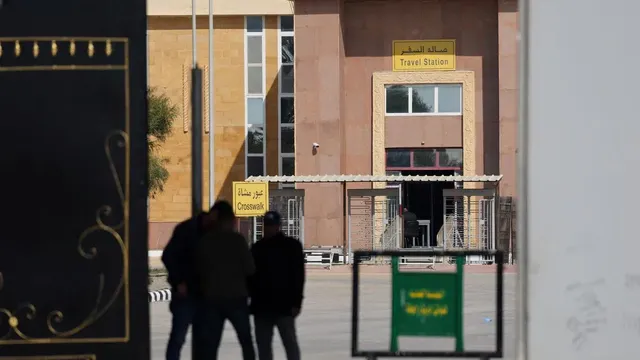
Israel seeks to limit Palestinians entering Gaza through border crossing
Israel seeks to limit Palestinians entering Gaza through border crossing
- Israel is planning to restrict the number of Palestinians allowed to enter Gaza from Egypt.
- The Rafah Border Crossing, the main route in and out of Gaza, is set to open next week for the first time in a while.
- This strategy aims to ensure that more Palestinians exit Gaza than enter, amid ongoing political and security concerns.
Story
In Tel Aviv, on January 23, it was reported that Israel is planning to restrict the entry of Palestinians into Gaza through the Rafah Border Crossing with Egypt. The announcement came just ahead of the expected opening of the border next week when a transitional Palestinian committee, backed by the U.S., is set to administer Gaza temporarily. The authorities mentioned that the border had been under Israeli military control since 2024, and lots of complications remain about how Israel intends to enforce these restrictions and the specific ratio of exits to entries they wish to achieve. Israeli officials have considered limiting the entries, aiming to ensure that more Palestinians are allowed to exit than to enter, amid rising concerns over potential demographic changes in Gaza and ongoing tensions regarding control of the territory. The opening of the Rafah Crossing is supposed to facilitate movement, but it remains unclear how individual cases will be handled at a proposed military checkpoint planned near the border where all Palestinians entering or leaving Gaza would be subjected to Israeli security checks. There are historical complexities in this region, stemming from the Oslo Accords, which classified the West Bank into areas falling under different levels of control. The discussion of Gaza, particularly regarding the military presence and management of crossings, plays a critical role in Israeli security policy. In previous statements, Israeli officials expressed doubts about the feasibility of a two-state solution, citing security concerns and the geo-political landscape involving Hamas, which governs Gaza and is considered a threat by Israel. The uncertainty surrounding the management of movement through Rafah also raises alarms among Palestinians, who are notably sensitive to any suggestions of forced population transfers. While Israel promotes exit options for Gazans, it denies intentions of inducing population transfers by force, marking a complex balance between humanitarian needs and national security. The ramifications of these developments not only influence the immediate situation in Gaza but also the broader Israeli-Palestinian conflict, as international bodies and the United States closely monitor the latest developments and their implications for peace negotiations.


