

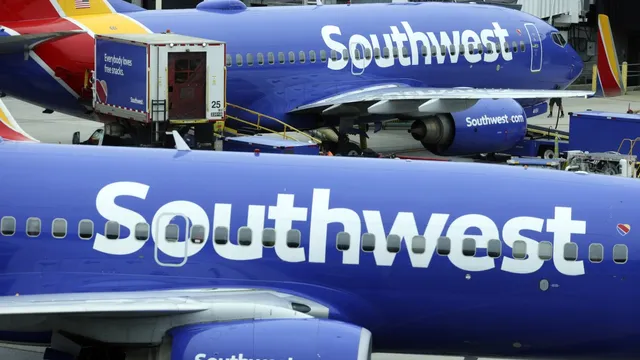
Southwest Airlines ends open seating to adopt assigned seating policy
Southwest Airlines ends open seating to adopt assigned seating policy
- Southwest Airlines has transitioned to assigned seating, effective January 27, 2026.
- The change follows increased pressure from investors for improved profitability and aligns the airline with competitors.
- Reactions from customers are mixed, with some appreciating the predictability and others lamenting the loss of a unique feature.
Story
In a significant move for the airline industry, Southwest Airlines has introduced assigned seating for its passengers effective January 27, 2026, marking a departure from its long-standing open-seating model. This change aligns Southwest more closely with its competitors, such as American, Delta, and United Airlines, offering travelers a new system where prefered seating options are available, reducing unpredictability in seating assignments. Until now, passengers relied on a 'first-come, first-served' method of choosing seats, which had been a hallmark of the airline's identity and functioned for over 53 years, but the shift comes amid increased pressure from investors for enhanced profitability and customer satisfaction. The revised seating model introduces an eight-group boarding structure, allowing passengers to board based on their assigned groups, improving efficiency and predictability. With added flexibility, customers can select from standard to extra legroom seats, with options for priority boarding becoming available as well. This transition has sparked immediate backlash on social media, with many customers voicing dissatisfaction about the loss of the old system, arguing that it lessens the unique appeal of Southwest and likening it more to traditional airlines. Additionally, revisions to the airline's policy regarding passengers who require extra space have been put in place. Customers now need to reserve two seats upfront if they encroach on neighboring seats, shedding the previous allowance for requesting additional seats at the gate. These changes have been celebrated by some travelers who appreciate the end of the previous seating chaos but condemned by others who feel that they represent a reduction in customer-friendly service. Overall, the new policy reflects Southwest's desire to adapt to consumer preferences while addressing shareholder interests. The overall response has been mixed, highlighting that while the assigned seating presents organization improvements, it may also drive away passengers who cherished the unique, flexible nature of Southwest’s previous system. As the airline embarks on this transformation, it also paves a path toward future operational models that harmonize profitability with customer-centric practices.
Context
The impact of assigned seating on airline operations has been a subject of considerable interest among industry experts and scholars. Assigned seating, where passengers are allocated specific seats prior to boarding, has transformed the way airlines manage operations, enhance passenger experience, and handle time efficiencies during boarding processes. One of the primary benefits of assigned seating is the mitigation of boarding time discrepancies, which can lead to delays and increased operational costs for airlines. By allowing passengers to board in an orderly fashion according to their seat assignments, airlines can streamline this crucial phase, reducing congestion in the aisles and expediting overall boarding times. Furthermore, assigned seating allows airlines to optimize seat inventory and revenue management strategies. By understanding the preferences and behaviors of passengers, airlines can adjust their pricing models and seat allocations to maximize revenue opportunities, which is essential in an increasingly competitive industry. Data on passenger preferences can lead airlines to employ dynamic pricing strategies, ensuring a balance between customer satisfaction and profitability. This approach can encourage higher load factors, as available seat maps can influence booking decisions, subsequently enhancing operational capacity. From a customer service perspective, assigned seating provides passengers with a sense of comfort and assurance, particularly for those who may have specific seating needs due to personal preferences or requirements. This can enhance overall passenger satisfaction, leading to increased levels of loyalty and repeat business. Airlines that utilize assigned seating are often seen as offering a more tailored and controlled travel experience, which can be a significant factor for travelers when choosing between competing airlines. However, the implementation of assigned seating does come with its challenges, such as the necessity for effective communication regarding policies and potential changes to seating arrangements. Airlines must continuously evaluate their boarding processes to prevent operational bottlenecks or passenger frustration. The evolution of technology has aided in managing these challenges, with mobile apps and online check-in systems enabling passengers to easily select seats and make changes as needed. The ongoing assessment of assigned seating strategies is crucial as airlines seek to adapt to changing passenger behaviors and industry trends.


