

military conflicts
provocative
controversial
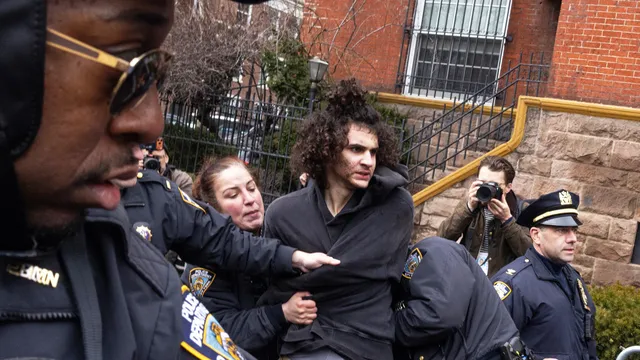
Two men plead not guilty in bombing attempt aimed at New York mayor's home
Apr 16, 2026, 10:20 AM10
(Update: Apr 16, 2026, 10:20 AM)
military conflicts
provocative
controversial
Two men plead not guilty in bombing attempt aimed at New York mayor's home
- Emir Balat and Ibrahim Kayumi faced federal charges for attempting to carry out a bombing at an anti-Islam protest hosted outside the New York City mayor's residence.
- The homemade bombs they brought to the scene failed to detonate, and no injuries were reported.
- The two men pleaded not guilty and their next court date is scheduled for June 16, raising concerns about domestic terrorism.
Insights
News 1 1
Reports
Opinions
Story
“
data analysis data shift data market geopolitical insight geopolitical shift insight economic global shift insight market analysis data trends geopolitical economic economic insight policy impact geopolitical policy trends insight impact market trends global strategic impact economic global shift impact policy strategic strategic impact trends geopolitical data impact insight geopolitical policy analysis geopolitical trends global shift trends shift economic strategic impact strategic data trends economic analysis economic market data geopolitical insight economic insight policy insight analysis policy analysis policy data analysis...
2026 All rights reserved



2026 All rights reserved