
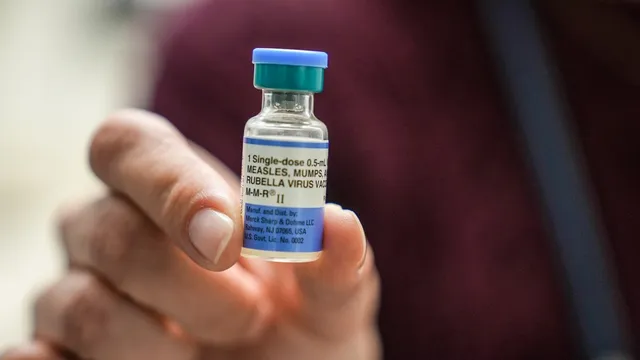
South Carolina battles worst measles outbreak in over 35 years
- South Carolina's measles outbreak, with over 650 cases reported, was predominantly localized.
- Vaccination efforts saw nearly 82,000 doses administered from October to March.
- Health officials declared the outbreak over, but vigilance is crucial given new cases linked to international travel.
Story
In South Carolina, a significant measles outbreak emerged in late 2025, primarily affecting northwestern Spartanburg County. This outbreak marked the worst occurrence of measles in the United States in over three and a half decades, with the state health officials confirming over 650 cases in January 2026 alone. A collective effort from public health organizations, doctors, and pharmacies enabled the administration of nearly 82,000 vaccine doses from October to March, leading to a substantial increase in vaccine uptake, which initially had been slow. These efforts played a critical role in controlling the spread, as characterized by the timely investigations and identification of individuals who might have been exposed to the virus. Despite declaring the outbreak over, health officials in South Carolina remain vigilant as recent occurrences emerged. A case linked to international travel in Saluda County prompted authorities to quarantine 41 individuals as a precautionary measure. Such episodes highlight the fact that while the outbreak was contained within a localized area, the public health implications extend beyond just one community and can affect the entire state if vigilance is not maintained. The nationwide context is equally alarming, as the U.S. is on track to surpass the record number of measles cases documented in 2025. As of now, more than 1,792 cases have been recorded, and there are currently 22 new outbreaks identified across various states. In particular, states like Florida and Texas have seen significant rises in cases, reflecting a broader trend of declining vaccination rates across the nation. This troubling narrative is compounded by the fact that younger children and those with weakened immune systems are especially vulnerable to severe complications like pneumonia and encephalitis. Public health experts emphasize the importance of vaccinations to prevent potentially devastating outbreaks in the future. The measles vaccine is proven to be safe and is 97% effective following two doses. As the public health community leaders express their frustrations regarding vaccination hesitancy, they continue to advocate for better public policies that enable higher rates of immunization. This event serves as a stark reminder of the vital role of vaccines in safeguarding public health and the collective responsibility of communities to contribute towards a healthier environment for all individuals, particularly those unable to be vaccinated due to health reasons.
