

Senator Johnson probes FDA for rejecting key treatments for rare diseases
Senator Johnson probes FDA for rejecting key treatments for rare diseases
- Senator Ron Johnson is investigating the FDA due to increasing denials of drug treatments for rare diseases.
- The FDA has reportedly rejected about 20 drug applications aimed at treating rare conditions in recent months.
- Johnson is seeking transparency and may require FDA officials to defend their decisions before Congress.
Story
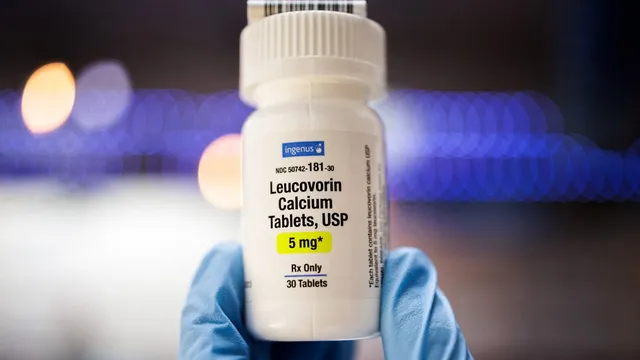
In recent months, Senator Ron Johnson of Wisconsin has expressed concerns regarding the Food and Drug Administration's (FDA) increasing number of denials for treatments aimed at rare diseases. According to reports, the FDA has rejected around 20 drugs for rare conditions within the last eight months. Johnson, advocating for greater access to experimental therapies, is determined to understand the rationale behind these decisions and has initiated an inquiry into the FDA's practices. His investigation aims to demand transparency and accountability from the agency, which he believes is unjustly stalling potentially life-saving treatments for patients with dire medical needs. This inquiry stems from the FDA's recent recommendations advising drug manufacturers to conduct extensive, time-consuming studies before approval can be granted. Johnson argues that these directives only prolong suffering for patients with life-threatening conditions, some of whom have no existing treatments. He has emphasized the stories of affected individuals as evidence of the dire consequences stemming from the FDA's approach, suggesting that the agency's actions appear to be rooted in a reluctance to approve new and experimental therapies. He aims to secure written denial letters from the FDA and may consider having agency officials testify regarding their decision-making process. Johnson's commitment to allowing access to experimental drugs is not new; he has advocated for initiatives like the Right to Try Act, which permits patients with terminal illnesses to seek out and use unapproved treatments. The act, signed into law in 2018, reflects a broader movement advocating for patient rights and access in situations deemed critical for survival. His stance indicates a growing frustration with the FDA's risk-averse attitude towards experimental therapies, despite claims from medical professionals about the urgent need for intervention. In another FDA-related development, the agency recently approved a generic drug called leucovorin for an ultra-rare genetic disorder affecting fewer than 1 in a million people in the U.S. However, the agency clarified it would not endorse its use for autism treatments, which had been suggested by officials including President Donald Trump earlier. This decision highlighted the FDA's commitment to robust scientific evidence when it comes to approving medications. While many families seeking treatment for autism have sought prescriptions for leucovorin, leading to a notable rise in its use, the FDA was careful to distance itself from any claims suggesting efficacy for this broader application, reflecting the complexity and controversial nature surrounding autism treatment options. As the inquiry progresses, it will likely bring heightened scrutiny of the FDA's processes and policies, and Johnson's efforts may lead to changes in how experimental therapies for rare diseases are reviewed and approved moving forward.
Context
The FDA drug approval process is a rigorous and multifaceted journey that ensures the safety and efficacy of pharmaceutical products before they reach the market. At the heart of this process lies the imperative to protect public health, which requires a comprehensive evaluation before any medication can be prescribed or sold. This procedure is essential in scrutinizing new drugs, including the assessment of preclinical data, clinical trials, and the manufacturing processes involved. Drug developers begin the process with preclinical testing, which involves laboratory and animal studies to gather preliminary efficacy, toxicity, and pharmacokinetic data. Following these initial tests, developers submit an Investigational New Drug (IND) application to the FDA, seeking permission to commence clinical trials with human subjects. The IND includes data from preclinical studies, the drug’s composition, and plans for clinical trials in humans, alongside any regulatory requirements that meet safety protocols, thus laying the groundwork for subsequent phases of testing. Clinical trials are typically divided into three phases, each designed to answer specific research questions about the drug's safety, effectiveness, and optimal dosage. Phase 1 focuses primarily on safety and establishes a dose range in a small group of healthy volunteers. Phase 2 then assesses efficacy by testing the drug in a larger group of individuals who have the condition the drug aims to treat, along with continued monitoring for side effects. Phase 3 trials are more extensive, often involving thousands of participants across multiple sites, to confirm effectiveness, monitor side effects, and compare the new drug to standard or placebo treatments. The results from these trials are crucial, and only after analyzing the data from all phases can a drug move forward to the new drug application (NDA) stage. Once the clinical trials are successfully completed, developers submit an NDA to the FDA that contains comprehensive data gathered throughout the clinical trial phases. This submission includes information on the drug’s chemistry, manufacturing quality, labeling, and clinical study results. The FDA then conducts a detailed review of the NDA, which can take several months to years, depending on the drug's complexity and the review backlog. During this process, the FDA may consult external experts and advisory committees to evaluate complex scientific and clinical issues. If the review concludes that the drug is safe and effective for its intended use, the FDA will grant approval, enabling the manufacturer to market the drug in the United States. Post-marketing surveillance is an ongoing component of the FDA drug approval process. After a drug is on the market, the FDA continues to monitor its safety through various programs and studies, including the Adverse Event Reporting System (AERS) and Risk Evaluation and Mitigation Strategies (REMS). These efforts help ensure that any rare or long-term side effects that may not have been evident during clinical trials are identified and addressed. The drug approval process is a vital function of the FDA, reflecting a commitment to maintaining high standards for drug safety and effectiveness while balancing the need for innovative therapies in the marketplace.


