

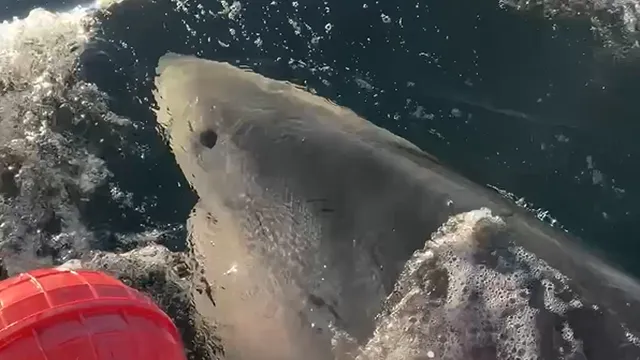
Contender the great white shark weighs nearly 1,700 pounds off North Carolina coast
Contender the great white shark weighs nearly 1,700 pounds off North Carolina coast
- OCEARCH reported that Contender, a large male great white shark, was pinged about 45 miles southeast of Cape Fear on February 8, 2026.
- Weighing nearly 1,700 pounds, Contender is the largest male great white shark ever tagged in the Western North Atlantic.
- The ongoing tracking of Contender aids in white shark research and conservation efforts.
Story
On February 8, 2026, a significant event regarding marine life was recorded off the coast of North Carolina, USA. OCEARCH, a nonprofit organization focused on ocean research and conservation, reported that a remarkable great white shark named Contender was pinged approximately 45 miles southeast of Cape Fear, near Wilmington. This particular shark has gained attention due to its impressive weight of almost 1,700 pounds, marking it as the largest male great white shark ever tagged in the Western North Atlantic by OCEARCH. Contender was originally tagged in the previous year off the coastline between Florida and Georgia and has since showcased a remarkable journey along the eastern coast of the United States. Throughout January, the shark had been swimming along Florida's coastline before being spotted further north. OCEARCH confirmed that the SPOT tag attached to Contender enables ongoing monitoring, providing real-time location data that will support white shark research and conservation initiatives for years to come. Such data is invaluable to understanding the behavior and migration patterns of these majestic creatures, particularly as marine environments face increasing threats from human activities and climate change. The naming of Contender reflects a culture of collaboration between OCEARCH and their partners, particularly Contender Boats, Inc., which provides the vessels necessary for offshore research expeditions. This partnership emphasizes the role that private companies can play in supporting scientific research and conservation efforts. The continued tracking of Contender, along with other sharks, contributes to a more comprehensive understanding of the species' ecological roles, migration patterns, and interactions with their environments. As Contender continues to be tracked, he has previously been pinged off the coasts of Canada, New Jersey, and Massachusetts, signifying a wide-ranging habitat and travel pattern. The implications of studying such an apex predator extend beyond ecological understanding; they also inform conservation strategies that are critical for protecting marine biodiversity in the face of environmental change. The ongoing research into Contender's movements is a vital aspect of ensuring the survival of great white sharks in the Atlantic, ultimately benefiting the entire marine ecosystem.
Context
Climate change poses significant threats to shark habitats, influencing their distribution, behavior, and overall survival. As ocean temperatures rise due to global warming, sharks and their prey are more likely to experience shifts in their natural habitats. Warmer waters can lead to the migration of various shark species towards cooler regions, particularly toward the poles. This shifting behavior not only affects individual species but also impacts the entire marine ecosystem, as predator-prey dynamics are altered. Additionally, many sharks rely on specific environmental conditions for breeding and feeding, and changes in temperature can disrupt these essential life processes. Furthermore, ocean acidification, a direct consequence of climate change, poses another challenge for shark habitats. The increase of carbon dioxide in the atmosphere leads to higher absorption of CO2 by oceans, resulting in a drop in pH levels. This acidic environment can impact the development and health of marine life that forms the base of the food web, including the fish and invertebrates that sharks prey upon. As these foundational species decline, sharks may struggle to find food, leading to potential declines in populations. Habitat loss due to climate change is exacerbated by other human activities such as overfishing, coastal development, and pollution. Coral reefs, which provide critical habitats for many shark species, are particularly vulnerable to bleaching events driven by temperature increases. These reefs serve as essential breeding grounds and nursery habitats for juvenile sharks. The destruction of such habitats not only diminishes the chances of shark survival but also impacts the health of the entire marine ecosystem they inhabit. Addressing the impact of climate change on shark habitats requires immediate and concerted efforts at local, national, and global levels. Conservation strategies must prioritize the protection of critical habitats and the sustainable management of shark populations. Implementing marine protected areas can help safeguard crucial breeding grounds, while international cooperation is essential in regulating fishing practices that threaten the sustainability of shark species. Additionally, enhanced research on shark behavior and habitat requirements in the context of climate change will enable more effective conservation measures. By recognizing the interconnectedness of climate change and shark habitats, we can take the necessary steps to ensure that these vital marine predators continue to thrive in our oceans.


