

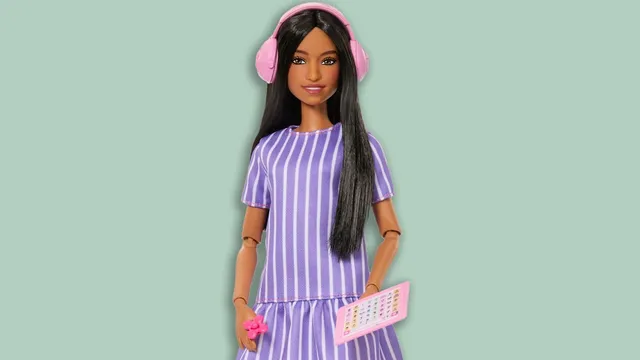
Mattel introduces the world’s first autistic Barbie doll
Mattel introduces the world’s first autistic Barbie doll
- Mattel's autistic Barbie doll has been designed with specific features to cater to the needs of autistic children.
- The launch has received endorsement from organizations like the Autistic Self Advocacy Network and the National Autistic Society.
- This move marks a progressive step in toy representation, promoting understanding and acceptance of neurodiversity.
Story
In a significant move towards inclusivity, Mattel launched an autistic Barbie doll in late 2023, aiming to provide a representation for neurodivergent children. The launch has garnered praise from various campaigners and charities, who view it as a step towards authentic representation for young autistic individuals. The doll's design incorporates several special features, including loose clothing to minimize sensory discomfort, an eye gaze slightly angled to reflect how some autistic people avoid direct eye contact, and accessories such as a pink fidget spinner and noise-cancelling headphones. These elements were designed based on input from the Autistic Self Advocacy Network (ASAN), ensuring a response to the needs and experiences of the autistic community. The launch's significance was echoed by Ellie Middleton, an autistic writer, who expressed that this doll is a powerful symbol for young autistic girls. Middleton highlighted that many girls go undiagnosed or are misdiagnosed, making the need for representation in toys more crucial for their acceptance. The National Autistic Society also commented on the importance of having accurate representations of autism, emphasizing that autism is diverse, with varying strengths and challenges across individuals on the spectrum. Furthermore, they view increased visibility as a pathway to understanding and acceptance in society. Many believe that the introduction of this doll breaks away from the traditional portrayal of Barbie, which typically promotes unrealistic standards of beauty and perfection. Instead, it aligns with a growing trend towards inclusivity and realistic representations in toys. The doll's features are intended to resonate with the daily experiences of autistic children, providing them with a sense of belonging and recognition. As attitudes about disability and neurodiversity evolve, there is increasing awareness that such representations can help combat the stigma that surrounds autism. While the doll's design reflects specific experiences associated with autism, there have been criticisms regarding the implications of labeling and the potential for stereotyping. Some have raised concerns that such representations could inadvertently place pressure on autistic children to conform to a certain image of what autism ‘looks like.’ Nonetheless, the overall sentiment from advocates and supporters underscores the belief that increasing representation is essential. Seeing oneself reflected in toys and media can bolster self-esteem, validate experiences, and foster a greater understanding of neurodiversity in children from an early age.
Context
The impact of representation in toys for disabled children is a crucial area of study that emphasizes the importance of inclusivity and diversity in the toy industry. By providing children with toys that accurately reflect their experiences and identities, manufacturers can enhance self-esteem and foster a sense of belonging among children with disabilities. Research indicates that children learn empathy and understanding from their peers and play experiences. Thus, when children with disabilities see themselves represented in toys, it not only validates their experiences but also informs their peers, promoting an inclusive environment for all. This representation is essential for social development, emotional well-being, and creating a more accepting society. Additionally, the lack of representation can lead to feelings of isolation and low self-worth among disabled children. When toys are not visually or functionally diverse, it perpetuates stereotypes and reinforces the idea that disability is something to be hidden or disregarded. By creating toys that reflect a wide range of abilities, manufacturers have the opportunity to break this cycle and challenge societal norms. For example, dolls and action figures with visible disabilities or toys that are designed for easy handling by children with limited dexterity can provide engaging play experiences that also offer recognition and affirmation. These types of toys help normalize disability within the context of play and daily life, thereby promoting acceptance among peers and broader communities. Moreover, the toy industry has begun to recognize the economic benefits of inclusivity. As awareness of the importance of representation grows, more parents are seeking out diverse options for their children's toys. Companies that prioritize including children with disabilities in their product lines are likely to attract a wider consumer base. This not only benefits the companies financially but also demonstrates a commitment to social responsibility and ethical business practices. In recent years, numerous brands have expanded their offerings, showcasing characters and toys that represent various physical, cognitive, and developmental challenges. Lastly, while progress is being made, there is still a long way to go. Continued advocacy is necessary to ensure that all children have access to toys that represent and resonate with their identities. Parents, educators, and advocacy groups must work together to push for more inclusive designs in the toy industry. Through collaboration and awareness, the narrative surrounding disability can shift from one of limitation to one of empowerment, allowing children of all abilities to play, learn, and grow together.


