

Teen swims 4km in treacherous waters to save family from drowning
Teen swims 4km in treacherous waters to save family from drowning
- Austin Appelbee swam 4 kilometers through rough waters to save his family stranded at sea.
- After a family outing went wrong due to strong winds, Austin took it upon himself to get help.
- His extraordinary effort and bravery led to the successful rescue of his mother and siblings.
Story
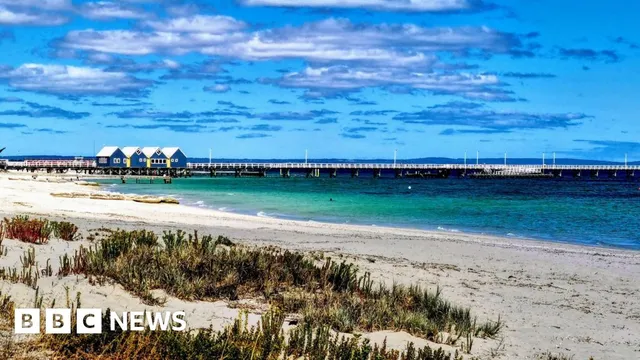
In Australia, a remarkable incident unfolded when a 13-year-old boy, Austin Appelbee, heroically swam for approximately four hours through rough waters to save his family. On January 30, 2026, Austin, his mother Joanne, and two younger siblings, Beau and Grace, were having fun paddleboarding and kayaking in Geographe Bay near Quindalup when strong winds suddenly swept them out to sea. Initially attempting to use an inflatable kayak, Austin found himself in peril as the kayak began taking water and was eventually forced to swim the remaining distance to shore to seek help. As the waves grew larger and challenging conditions emerged, the family's situation became dire. Despite wearing life jackets, Joanne and her children were at significant risk as they drifted further from the shoreline, escalating their fear. Realizing the seriousness of their predicament and unable to leave her children, Joanne made the difficult choice to send Austin to shore to raise the alarm, encouraging him to get help while she stayed with her younger children. Austin courageously began his four-hour swim to safety, feeling both fear and determination. He faced massive waves and the cold water, but he continually motivated himself with positive thoughts, clinging to the belief that he could save his family. Initially, he wore a life jacket, but he soon discarded it as he believed it was hindering his swimming capabilities. Austin reached the beach and successfully contacted emergency services, describing the urgency of the situation. His call initiated a search and rescue operation for his family. By around 8:30 PM, rescuers spotted Joanne, Beau, and Grace, clinging to a paddleboard approximately 14 kilometers offshore. Despite spending nearly 10 hours in the water, the family was found wearing their life jackets, which significantly contributed to their survival. All family members were assessed by paramedics upon their return to shore but did not require hospitalization. The family's ordeal was a stark reminder of the unpredictable nature of ocean conditions and the importance of safety precautions when engaging in water activities.
Context
Marine rescue protocols in Australia are critical to ensuring the safety of individuals involved in maritime activities, whether they are recreational boaters, sailors, or marine wildlife enthusiasts. Australia's extensive coastline and varied marine environments necessitate well-organized and uniformly implemented protocols to manage rescue operations effectively. The rescue protocols typically involve a coordinated response between various agencies, including the Australian Maritime Safety Authority (AMSA), local state authorities, and volunteer organizations. These protocols are designed to swiftly address emergencies such as vessel capsizes, distress calls, and lost swimmers or divers. Clear communication lines among all parties involved are essential to the success of any rescue operation, including the use of technology such as distress beacons and satellite communications to pinpoint the location of a distress signal accurately. Training and preparedness are paramount in marine rescue protocols. Personnel involved in rescues are trained in search and rescue (SAR) operations, first aid, and survival skills to manage different emergency scenarios effectively. Regular drills and simulations are conducted to keep skills sharp and ensure readiness for real-life situations. Additionally, public awareness campaigns emphasizing safety measures, such as life jacket use, proper communication equipment onboard, and understanding local marine conditions, play a vital role in preventing emergencies from occurring. This proactive approach helps reduce the number of incidents requiring rescue, ultimately saving lives. The legislative framework surrounding marine safety in Australia supports rescue operations by establishing the responsibilities of maritime operators and the rights of rescue personnel. The Commonwealth, state, and territory governments work together to create regulations that mandate the maintenance of safety equipment and readiness to respond to emergencies. Moreover, the National Search and Rescue Plan outlines the roles of different agencies in rescue operations, providing a structure that facilitates inter-agency cooperation during emergencies. These laws also define the legal protections for rescuers, encouraging more individuals to assist during emergencies without fear of liability. In conclusion, marine rescue protocols in Australia are comprehensive and continually evolving to adapt to new challenges posed by maritime activities. They encompass a robust framework of training, legislation, and inter-agency cooperation aimed at preserving life at sea. The dedication of both government agencies and volunteer organizations ensures that responses are timely and effective, significantly enhancing the safety of individuals enjoying Australia's vast and often unpredictable marine environments. As awareness of marine safety continues to increase, it is expected that the number of successful rescues will grow, ultimately contributing to a safer maritime culture across Australia.


