

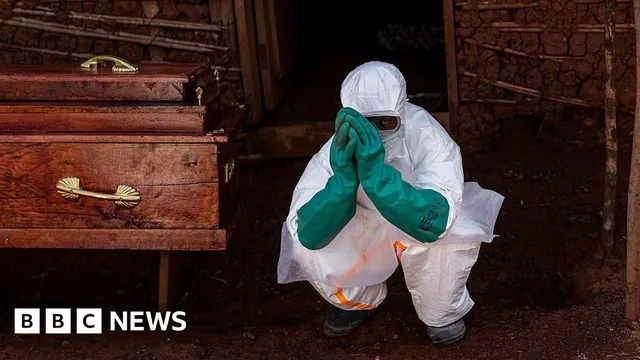
Ebola outbreak prompts urgent vaccine development by IAVI, Moderna, and Oxford
Ebola outbreak prompts urgent vaccine development by IAVI, Moderna, and Oxford
- The Bundibugyo species of Ebola has caused nearly 250 deaths and over 1,000 suspected cases in the DR Congo.
- IAVI, Moderna, and the University of Oxford are developing vaccines specifically for this rare species.
- The development of these vaccines is crucial for controlling the outbreak and preparing for future epidemics.
Story
In the Democratic Republic of Congo, a concerning outbreak of the Bundibugyo species of Ebola has emerged, leading to nearly 250 fatalities. The International Aids Vaccine Initiative (IAVI) is at the forefront of developing a vaccine specifically targeting this rare species, which has only been documented in two previous outbreaks. The urgency of the situation is underscored by the fact that there are over 1,000 suspected cases reported, with nine confirmed cases in neighboring Uganda. The Coalition for Epidemic Preparedness Innovations (CEPI) is providing essential funding to support the research efforts of IAVI, Moderna, and the University of Oxford. IAVI is working on a modified version of the existing Zaire Ebola vaccine, which has shown promising results in preclinical trials with monkeys, demonstrating nearly 100% protection. The vaccine utilizes a harmless virus engineered to include the Bundibugyo glycoprotein, training the immune system to recognize and combat the actual Ebola virus. Meanwhile, Moderna is also committed to developing a vaccine, with CEO Stéphane Bancel emphasizing the need for urgency and scientific rigor in the response to the outbreak. The University of Oxford is leveraging its vaccine technology, which was instrumental in combating COVID-19, to create a new vaccine for Ebola. They anticipate that their vaccine will be ready for clinical trials within two to three months. Each of these vaccines aims to train the immune system to identify the Bundibugyo glycoprotein, a critical component for effective immunity against this specific strain of Ebola. Dr. Tedros Adhanom Ghebreyesus, the Director-General of the World Health Organization, has highlighted the importance of developing a Bundibugyo vaccine, stating that it could significantly aid in controlling the current epidemic and enhance preparedness for future outbreaks. The collaborative efforts of these organizations reflect a global commitment to addressing the urgent health crisis posed by the Ebola outbreak, as they work to bring potential vaccines closer to the communities most in need.
Context
trends geopolitical global market policy global strategic impact geopolitical policy economic strategic geopolitical global shift global geopolitical strategic strategic data economic economic insight market analysis insight analysis trends trends insight policy shift shift insight impact impact strategic trends analysis policy geopolitical geopolitical economic data analysis impact impact policy economic trends impact trends policy policy shift policy market policy trends global data shift strategic data market market data global insight trends impact geopolitical impact data policy geopolitical trends trends shift economic...


