

Sri Lanka mandates holiday on Wednesdays to save fuel amid energy crisis
Sri Lanka mandates holiday on Wednesdays to save fuel amid energy crisis
- Sri Lanka has implemented a four-day work week to help manage fuel shortages caused by disruptions in oil supplies.
- Countries across Asia are employing various measures to reduce energy consumption amid rising oil prices due to geopolitical tensions.
- The crisis has highlighted the heavy reliance of Asian countries on imported energy and the need for adaptive strategies.
Story
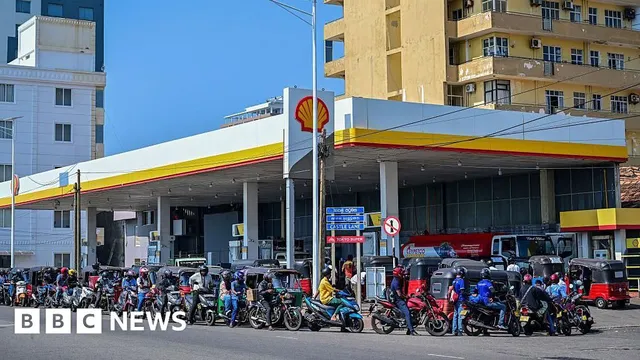
Sri Lanka has recently implemented a significant measure by declaring every Wednesday a holiday for public institutions. This decision comes as the country faces potential fuel shortages due to disruptions resulting from the ongoing war involving Iran, which has dramatically affected oil and gas supplies. The Sri Lankan government, under the leadership of President Anura Kumara Dissanayake, is taking this action to prepare for the worst while hoping for the best. This initiative aligns with a broader movement across numerous Asian nations, all grappling with similar issues of fuel conservation and rising prices. The war on Iran is causing extensive disruptions in oil and gas flow through critical routes like the Strait of Hormuz, which handles a vast majority of Asia's oil imports. Almost 90% of the oil flowing through this strait last year was destined for Asian countries, making the region particularly vulnerable to supply shocks. In response, several countries have implemented various austerity measures and public awareness campaigns. For instance, in Thailand, citizens are encouraged to adopt casual dress codes to minimize air conditioning use. Meanwhile, Myanmar allows private vehicles to operate only on alternate days based on license plate numbers to limit fuel consumption. Other nations are enacting similar strategies; Bangladesh has altered its university calendar and introduced rolling blackouts, while in the Philippines, the government has mandated remote work for employees at least one day a week. Vietnam is promoting public transport use and bike riding, while Japan has released oil stockpiles to mitigate its reliance on imports from disrupted regions. These combined efforts highlight the urgent need for Asian countries to adapt to a rapidly changing energy landscape, driven by geopolitical tensions in the Middle East. Sri Lanka’s decision to observe a four-day work week, including educational institutions, reflects its commitment to combatting the fuel crisis. Essential services will maintain standard operating schedules even as other sectors adjust. The measure aims to reduce consumption while simultaneously addressing public dissent concerning fuel rationing strategies, which some citizens find inadequate. Additionally, motorists must now register for a National Fuel Pass, limiting purchases to specified quotas. This is a continuation of protocols initiated during the country’s severe economic crisis in 2022, showcasing a deeper systemic problem that necessitates immediate and robust responses from the government.


