

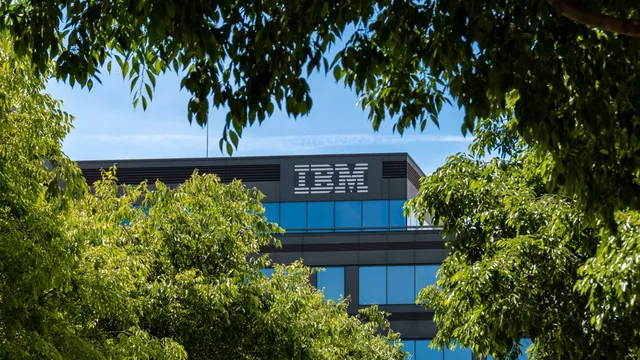
IBM triples entry-level hiring amidst AI job fears
IBM triples entry-level hiring amidst AI job fears
- IBM has announced plans to significantly increase entry-level hiring by tripling positions for Gen Z workers by 2026.
- This decision contrasts with the trend of companies reducing their workforce amid advancements in AI.
- IBM's strategy reflects a commitment to investing in future talent, suggesting optimism about the potential for new roles amidst technological change.
Story
In early 2026, IBM made a notable announcement at the Charter’s Leading With AI Summit regarding its hiring strategies. The company plans to significantly increase its recruitment of entry-level workers, aiming to triple the number of positions available for Gen Z individuals. This decision stands in stark contrast to trends observed in many other companies, which have been reducing their workforce due to the growing capabilities of artificial intelligence (AI). IBM's chief human resources officer, Nickle LaMoreaux, articulated that while AI is capable of performing many routine tasks, the roles that the company is now hiring for are fundamentally different and require human skills beyond mere automation. The dialogue surrounding AI in the labor market has concentrated on the fear that robots and software could replace a substantial number of jobs, particularly those at the entry level. Some experts estimate that AI advancements could eliminate half of all entry-level positions by 2030. Despite these alarming predictions, IBM is taking a proactive approach by focusing on hiring younger talent. The company has adopted a forward-thinking strategy that aims to retain this talent over time, addressing potential challenges posed by the evolving job landscape. Industry observers have welcomed IBM’s increased hiring, viewing it as a hopeful sign amid concerns over AI's impact on employment. Drew Powers, founder of Powers Financial Group, characterized this decision as a promising development, indicating that jobs will still be available, albeit in new formats driven by technology. Moreover, Alex Beene, a financial literacy instructor, highlighted the positive implications of IBM's expansion of entry-level positions, suggesting that while AI may disrupt traditional roles, it also has the potential to create new opportunities requiring more human creativity and insight. This perspective fits within a broader context where some companies are investing in future talent pipelines rather than relying solely on automation to reduce their workforce. Kevin Thompson, CEO of 9i Capital Group, pointed out that a surplus of entry-level Gen Z workers may keep wage pressure low, enabling IBM to develop talent more effectively and maintain a younger workforce for an extended period. This point of view indicates a bifurcation in the labor market, where some companies are actively nurturing future talent, while others implement automation strategies to trim personnel. Overall, IBM’s commitment to expanding its entry-level hiring marks a distinct approach in a climate where many firms are focused on short-term labor reductions due to AI advancements, showcasing the company's willingness to invest in the workforce of tomorrow.
Context
The impact of artificial intelligence (AI) on the job market is a critical topic in today's rapidly evolving technological landscape. AI technologies have been increasingly integrated into various sectors, allowing for enhanced productivity, efficiency, and precision. However, this integration brings with it a range of concerns regarding the future of employment. While AI has the potential to create new job opportunities in areas such as AI development, data analysis, and machine maintenance, it simultaneously threatens to displace jobs that are highly routine and repetitive. Industries like manufacturing, transportation, and even customer service are experiencing significant changes as automation takes precedence. As we analyze these trends, it is essential to understand both the opportunities and challenges posed by AI across different job sectors. The displacement of jobs due to AI can lead to economic disruption and challenges for the workforce. Workers in low-skill occupational categories are particularly vulnerable, as their roles are often candidates for automation. The World Economic Forum has projected that by 2025, around 85 million jobs may be displaced by a shift in labor between humans and machines, with a high demand for new roles that require advanced technical skills. Consequently, there is an urgent necessity for workforce reskilling and upskilling initiatives to help displaced workers transition into new positions created by AI advancements. Educational institutions, private organizations, and governments all play a vital role in developing training programs that will equip the workforce with necessary skills for future job market demands. Moreover, while some jobs may be eliminated, it is also essential to highlight the positive effects of AI on job creation. New industries are emerging, and existing ones are evolving, leading to a demand for higher-skilled positions. For instance, jobs related to AI ethics, algorithm training, and cybersecurity are gaining prominence. The hybrid work environment facilitated by AI tools allows for greater flexibility and innovation, fostering new opportunities for collaboration and productivity. As companies leverage AI to enhance their decision-making processes, roles that require human creativity, strategic thinking, and emotional intelligence remain in high demand. Therefore, the narrative that AI merely displaces jobs fails to account for the new horizons it can create in the labor market. To navigate the challenges associated with AI's impact on the job market, policymakers must implement proactive strategies that focus on ensuring equitable transitions. This includes creating safety nets for affected workers, investing in lifelong learning programs, and fostering an entrepreneurial spirit within the workforce. Collaboration between the public and private sectors is crucial in addressing the shifts brought by AI. Ultimately, while the impact of AI on the job market poses significant challenges, it also offers opportunities for growth and adaptation. By prioritizing education and skill development, society can harness the potential of AI to create a future that values human input alongside technological advancement.


