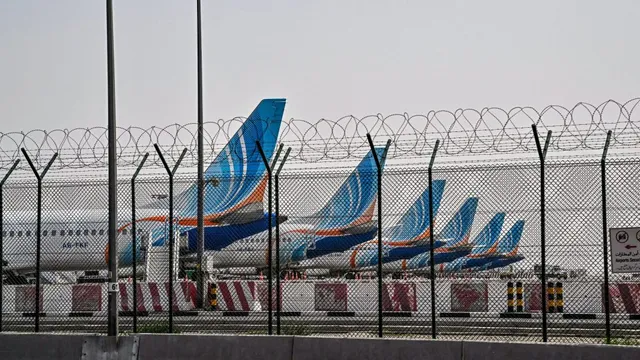
Prabowo offers to mediate negotiations with Iran after military strikes
military conflicts
controversial
impactful

Prabowo offers to mediate negotiations with Iran after military strikes

20
(Update: )
country in Western Asia
American business magazine
  • The U.S. and Israel launched military strikes against Iran, causing concern in Southeast Asia.
  • Indonesia's President Prabowo Subianto offered to mediate peace talks with Iran.
  • Southeast Asian leaders called for diplomatic solutions to the escalating tensions.
Share opinion
2

Story

Indonesia, a major player in Southeast Asia, reacted to the recent military strikes by the United States and Israel against Iran. These surprise attacks have raised concerns about regional stability, drawing critiques from various Southeast Asian leaders. Malaysian Prime Minister Anwar Ibrahim condemned the strikes and emphasized the need for diplomatic resolutions. In contrast, Thailand's Prime Minister Anutin Charnvirakul expressed serious concern about the escalation of violence. Amidst this tension, Indonesia's President Prabowo Subianto has offered his country as a mediator for peace talks with Iran, aiming to reduce hostilities and promote regional dialogue, reflecting Indonesia's commitment to peacekeeping efforts. The wider economic implications of the conflict are notable as well, particularly concerning global oil prices, given that the Strait of Hormuz is a critical bottleneck for petroleum shipping. The unsettling situation has already begun to occur, with oil prices experiencing fluctuations due to fears over supply disruptions. Moreover, the potential economic fallout of the military actions is quantified, with estimates suggesting the conflict could cost U.S. taxpayers a staggering $65 billion, with the total economic impact potentially reaching up to $210 billion. These costs are not merely abstract numbers but signify a profound effect on economies dependent on stable energy supplies. Besides the immediate geopolitical responses, the economic ramifications are an expression of the interconnectedness of global markets. Countries in the region, particularly in Southeast Asia, are concerned about the long-term impacts on their own markets. The stock exchanges in Japan and South Korea, for instance, have already seen declines in response to the news of the attacks, showcasing how intertwined regional and global economies can be. This is a reminder of how isolated military actions can incite broader financial instability across the globe, often leading to a ripple effect in international markets. Ultimately, Prabowo's offer to mediate represents Indonesia's desire to position itself as a facilitator of peace-building in response to prevailing international crises. With concerns about civilian casualties and infrastructure damage in Iran, advocates for diplomacy argue that engaging in negotiations can lead to de-escalation and a more stable regional environment. The push for peace talks is underscored by widespread calls for respect for international law and adherence to diplomatic negotiations.

Context

The current status of U.S. Israel military operations in Iran remains a critical focus for both nations as well as international observers. Tensions between Iran and the U.S.-Israeli alliance have escalated in recent years, primarily due to Iran's nuclear ambitions and its involvement in regional conflicts. The U.S. has maintained a stance of deterrence and containment while providing military support to Israel, which has conducted numerous operations targeting Iranian assets and militias across the Middle East. The collaboration between the U.S. and Israel has included intelligence sharing, joint military exercises, and arms sales, significantly enhancing Israel's operational capabilities against Iran. As of March 2026, the operational landscape illustrates a complex blend of diplomatic efforts and military readiness. Recent developments indicate that Israel has intensified its airstrikes on Iranian positions in Syria, aimed at curbing the transfer of weapons to Hezbollah and other proxy groups. The coordination between U.S. military forces and Israel's Air Force has reportedly improved, allowing for more effective strikes based on shared intelligence. This has resulted in a significant disruption of Iranian military logistics, although Iran continues to adapt by dispersing assets and utilizing unconventional tactics. The evolving nature of the conflict requires constant reassessment of strategies by both the U.S. and Israel. Diplomatic channels remain active, with the U.S. striving to engage Iran through negotiations while simultaneously reinforcing military alliances in the region. The Biden administration's approach focuses on balancing these diplomatic efforts with a robust military posture to deter any aggressive actions from Iran. Concurrently, Israel's leadership is under pressure to respond decisively to perceived threats from Iran, resulting in a policy of preemptive strikes. This dual approach underscores the challenges faced by both countries in navigating their strategic interests while mitigating the risks of broader conflict. Looking ahead, the potential for a heightened military confrontation looms. Iran's advancements in missile technology, coupled with its commitment to its nuclear program, pose significant challenges to U.S. and Israeli national security. The need for a cohesive strategy that combines military readiness, diplomatic engagement, and international partnership will be imperative to address the multifaceted threats posed by Iran. Without a clear resolution, the situation remains volatile, leaving the U.S. and Israel in a complex balancing act as they respond to Iran's actions and the broader implications for regional stability.

2026 All rights reserved