
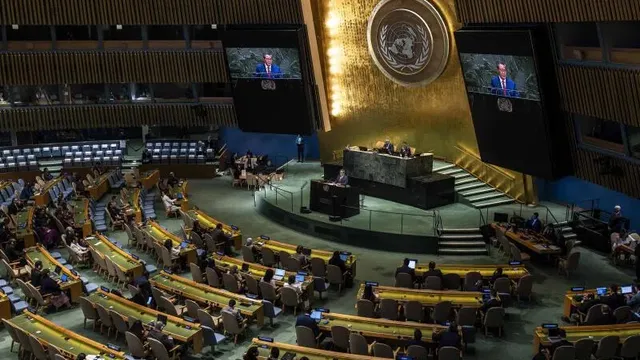
US plans significant payment to UN amid financial crisis
- The United States plans to make an initial payment towards its ongoing debts to the United Nations soon.
- Ambassador Mike Waltz emphasized the necessity of UN reforms amidst a looming financial crisis.
- This step signifies an effort to address both the arrears the US owes and ongoing UN reform initiatives.
Story
The United States is set to contribute an initial payment towards its substantial debts to the United Nations, as stated by U.S. Ambassador to the UN, Mike Waltz, during an interview on February 6, 2026. This announcement follows a warning from UN Secretary-General Antonio Guterres about the organization's critical financial situation and its imminent risk of collapse due to unpaid contributions, primarily owed by the US. As of earlier February, the US owed approximately $2.19 billion to the regular UN budget, alongside additional debts for peacekeeping missions and tribunals, amounting to over $5 billion in total. In addressing the UN's financial crisis, Waltz emphasized the importance of reform within the organization while highlighting ongoing discussions about its future structure. He noted that a significant portion of the funds would target the US’s arrears while respecting the necessary reforms that have taken shape under Guterres’s leadership. This financial crisis comes at a time when the Trump administration has been retreating from multilateral engagements and has previously slashed funding to various UN agencies. Waltz also criticized the current organizational model of the UN as unsustainable and characterized it as both bloated and duplicative. He expressed hope for a more streamlined and focused UN moving forward, stating that the new approach would aim to enhance the UN's capacity to facilitate peace and security discussions on a global scale, rather than merely seeking additional funding from its member states. As financial negotiations proceed, the next assessment of budget contributions is expected next year, potentially leading to further changes within the UN's structure and practices.
Context
The financial crisis facing the United Nations (UN) has been significantly influenced by the contributions and commitments of member nations, particularly the United States, which is the largest contributor to the UN budget. As of 2023, the US is responsible for approximately 22% of the UN's regular budget and about 28% of its peacekeeping budget. This financial dependency impacts the operational capacity of the UN and influences its response to global challenges. A consistent lack of timely contributions from the US, driven by political changes and budgetary restrictions, has led to a backlog in payments that has created financial strain on UN operations. Historically, the United States has had mixed sentiments towards its financial obligations to the UN. Instances of delayed payments and reductions in funding have sparked debates within the US Congress regarding the effectiveness of UN programs and the accountability of the organization. This has created a perception of the UN as either underfunded or inefficient, unearthing complex political dynamics that intertwine domestic policy with international commitments. The impact of these contributions goes beyond mere figures; they affect the UN's ability to effectively respond to crises, implement peacekeeping missions, and support humanitarian efforts on a global scale. Moreover, the dependence on US funding has raised concerns among other member states. When the US delays payments or cuts funding, it creates a ripple effect, compelling other nations to reconsider their own contributions. This cyclical issue contributes to a broader financial crisis within the UN, heightening tensions among member states regarding contributions and the equitable distribution of responsibilities amongst nations. Various programs may face cuts, staff may be reduced, and initiatives may be postponed, all of which impinge on the UN's capacity to operate effectively and achieve its goals. In conclusion, the ongoing financial crisis in the United Nations highlights the critical nature of US contributions and the broader implications of these financial commitments. The funding structure of the UN requires a reassessment, as the reliance on a few key contributors can jeopardize the organization’s stability and its ability to function. In an increasingly complex global landscape, fostering a more balanced and fair distribution of financial responsibilities amongst member states is essential to ensure the UN can fulfill its mandates effectively and sustain its crucial role in global governance.
