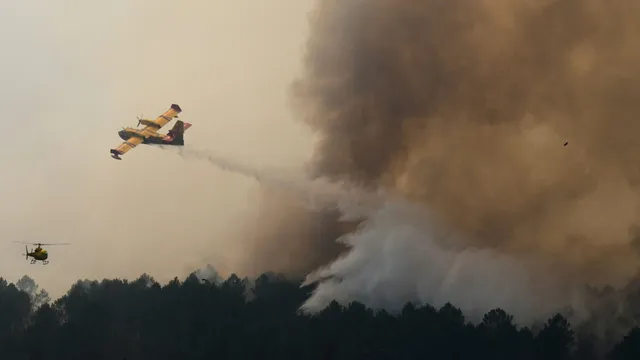
Climate change has emerged as a significant factor influencing the frequency and intensity of wildfires across Europe. Rising temperatures, prolonged droughts, and shifting precipitation patterns have created an environment conducive to wildfires. The Mediterranean region, in particular, has experienced a marked increase in fire incidents, with hotter summers and drier conditions exacerbating the risk. The interplay between climate change and human activities, such as land use changes and urban expansion into wildland areas, further complicates the wildfire landscape, leading to more frequent and severe fire events. As a result, the ecological and economic impacts of wildfires are becoming increasingly pronounced, necessitating urgent attention and action from policymakers and communities alike.
The ecological consequences of wildfires in Europe are profound. Forest ecosystems, which are vital for biodiversity, carbon storage, and soil health, are severely affected by fire events. Species that are unable to adapt to the changing conditions face the risk of extinction, while the loss of vegetation can lead to soil erosion and degradation of water quality. Additionally, wildfires release significant amounts of carbon dioxide and other greenhouse gases into the atmosphere, further contributing to climate change. The cycle of climate change and wildfires creates a feedback loop that poses a serious threat to the environment, making it imperative to understand and mitigate these impacts.
Economically, the costs associated with wildfires are staggering. The destruction of property, infrastructure, and natural resources leads to significant financial losses for affected communities. Emergency response efforts, including firefighting and recovery operations, place a heavy burden on local and national budgets. Moreover, the tourism industry, which is vital for many European economies, can suffer long-term damage due to the aftermath of wildfires. As the frequency of these events increases, the need for effective risk management strategies becomes critical. This includes investing in fire prevention measures, enhancing community preparedness, and implementing sustainable land management practices to reduce vulnerability.
In conclusion, the impact of climate change on wildfires in Europe is a multifaceted issue that requires a comprehensive approach. Addressing the root causes of climate change, such as greenhouse gas emissions, is essential to mitigate the risks associated with wildfires. Furthermore, enhancing resilience through adaptive management strategies and community engagement can help reduce the adverse effects of wildfires on both ecosystems and economies. As Europe continues to grapple with the realities of climate change, it is crucial to prioritize actions that protect both the environment and the communities that depend on it.