

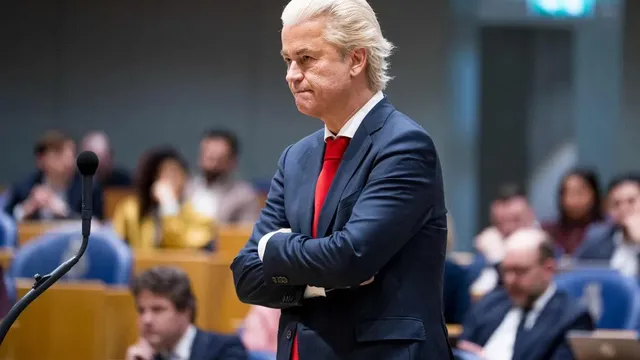
Geert Wilders faces major setback as seven lawmakers leave party
Geert Wilders faces major setback as seven lawmakers leave party
- Seven members of Parliament from Geert Wilders' PVV party resigned on January 20, 2026, citing concerns over authoritarian leadership.
- The defectors plan to establish their own group in Parliament led by Gidi Markuszower, reflecting significant internal party dissent.
- This development marks a critical moment for the PVV, which is now no longer the largest opposition party in the Dutch Parliament.
Story
In the Netherlands, a significant political shake-up occurred on January 20, 2026, when seven members of Parliament resigned from Geert Wilders' far-right Party for Freedom (PVV). This unprecedented departure highlights internal dissent regarding Wilders' authoritarian leadership style. The departing lawmakers criticized Wilders for losing interest in election strategies and for limiting party exposure during the October elections, where the PVV suffered a substantial decrease in representation, dropping from 37 seats to 26. The seven MPs plan to form their own parliamentary group, led by Gidi Markuszower, a long-time ally of Wilders. The split has not only weakened Wilders’ party but also diminished the PVV’s standing in the current political landscape, as it is no longer the largest opposition party in the 150-member house. The defection coincides with the ongoing efforts by the centrist D66 party, which recently outperformed the PVV in the popular vote and is currently in negotiations to form a minority ruling coalition with the Christian Democrats and the People's Party for Freedom and Democracy. Opposition to Wilders’ leadership has been brewing for some time, particularly following his controversial decision to withdraw from a multi-party coalition last year, an action that led to unforeseen snap elections and a setback for the PVV. Wilders himself reacted to the news with disappointment, calling it a “black day” for the PVV while emphasizing that his party would persist in its role as a hard opposition to the new government. His refusal to engage with the coalition leaders has drawn further scrutiny from the departing lawmakers, who sought a more collaborative approach within the current political framework. Markuszower stated that their attempts to initiate dialogue with Wilders were futile, indicating a fractured relationship between him and his former allies. As the PVV struggles with internal division, the new parliamentary group aims to represent those disillusioned with Wilders’ governance style. The future of the PVV is now uncertain, as these developments represent a historical low for a party that once garnered considerable support. The longstanding criticisms against Wilders, including his handling of internal disputes and a perceived disconnection from parliamentary activity, raise questions about the party's viability going forward. The new faction is positioned to advocate for a return to principles that may resonate better with voters, potentially reshaping the dynamics within the parliament and the far-right political movement in the Netherlands.


