

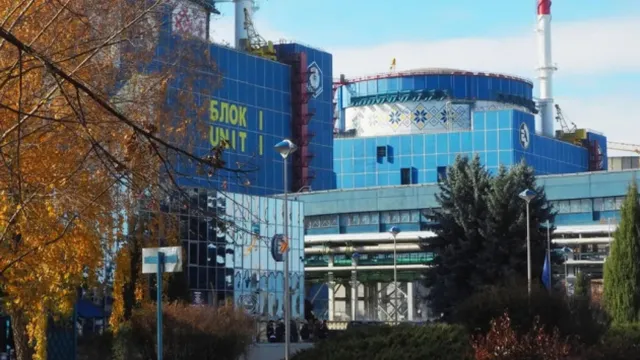
Russian strikes force Ukraine's nuclear reactors to power down
Russian strikes force Ukraine's nuclear reactors to power down
- Russian strikes on November 19 have impacted three Ukrainian nuclear power plants.
- Four out of nine reactors in Ukraine are now operating at a reduced output.
- The attacks have exacerbated the country's energy crisis, leading to severe rolling blackouts.
Story
On November 19, 2025, in Ukraine, several nuclear power plants experienced significant operational disruptions due to Russian military strikes aimed at energy facilities. The International Atomic Energy Agency (IAEA) reported that the Khmelnytskyi, Rivne, and South Ukraine nuclear power plants lost connectivity to their high-voltage transmission lines, resulting in a reduction of electricity output from four of the nine operational reactors. Prior to this, the Khmelnytskyi and Rivne plants had already been operating at decreased capacity from strikes earlier in the month. Additionally, IAEA teams stationed at these sites had to take shelter during air raid alerts as tensions escalated. All three plants are critical to Ukraine's energy supply, which has been severely impacted by rolling blackouts as a result of ongoing conflict.
Context
The ongoing conflict in Ukraine has raised significant concerns regarding the safety and security of nuclear power plants amidst Russian military actions. Ukraine, which operates several nuclear facilities, relies heavily on these plants for energy production and stability. The impact of Russian attacks on these nuclear facilities, therefore, is a matter of critical importance not just for Ukraine, but for the entire region, given the potential consequences of nuclear incidents. The risks associated with military conflicts near nuclear plants include damage to physical infrastructure, potential radiation leaks, and challenges in response and management of emergency situations. The international community has closely monitored these developments, understanding that any failure in maintaining secure operations at these sites could lead to catastrophic outcomes, reminiscent of historical nuclear disasters. Following the escalation of hostilities, reports have indicated that several nuclear power plants were either directly targeted or were caught in the crossfire of military operations. This situation poses a dual risk: on one hand, there is the immediate threat of physical destruction due to bombings and military assaults; on the other hand, there are latent threats stemming from failures in operational protocols and safety measures disrupted by the chaos of war. Vital systems that ensure the safe storage of nuclear materials, the cooling of reactors, and the overall functionality of these plants are particularly vulnerable under military pressures. Furthermore, the encroachment of armed conflict compromises not just the physical safety of the plants but also affects crucial workforce operations, as personnel may be unable or unwilling to work in insecure environments. The situation has led to heightened fears of nuclear proliferation and security breaches. In past conflicts, similar situations have arisen, resulting in the uncontrolled release of radioactive materials. The legal frameworks surrounding the operation of nuclear facilities during such volatile conditions often struggle to address the complexities presented by armed conflict. Consequently, international regulatory bodies and governments have begun to advocate for enhanced security measures and the establishment of safety zones around nuclear installations. These recommendations underscore the necessity of adhering to international standards for nuclear safety and the importance of proactive emergency response strategies to mitigate risks. The ongoing conflict and its implications for nuclear safety highlight not only the immediate risks posed to Ukraine but also the broader geopolitical ramifications. As nations across the globe engage with nuclear energy, the handling of such crises will influence international policies on nuclear safety and military engagement protocols. The situation necessitates vigilance and a concerted effort from both national governments and international organizations to ensure that nuclear sites remain protected from conflict-related consequences. Ultimately, as the narrative of the conflict unfolds, the safeguarding of these nuclear facilities will remain a crucial element in preventing a potential nuclear crisis that could have devastating effects far beyond the borders of Ukraine.


