

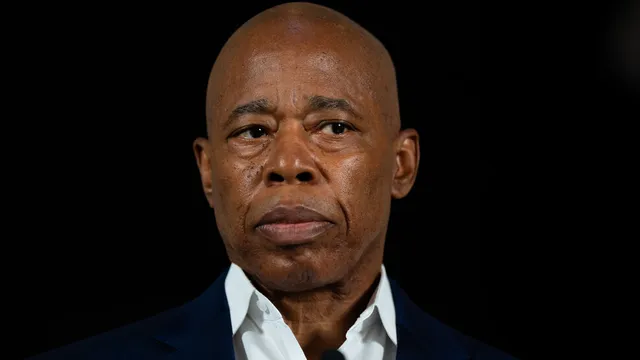
Eric Adams solidifies ties with Israel before leaving office
Eric Adams solidifies ties with Israel before leaving office
- Eric Adams engaged in a diplomatic visit to Israel, meeting with officials like Prime Minister Netanyahu.
- He used this opportunity to reiterate his support for Israel and express concerns regarding antisemitism.
- This trip underscores Adams' desire to distinguish his administration's views from those of his successor before leaving office.
Story
In November 2023, Eric Adams, the mayor of New York City, conducted a significant engagement in Israel aimed at reinforcing his relationship with the nation during his final weeks in office. This trip included a meeting with Israeli Prime Minister Benjamin Netanyahu, where the two leaders discussed shared concerns about rising antisemitism globally and emphasized the strong bond between New York City and Israel. This was Adams' second visit to Israel during his mayoralty and came shortly before he officially exits the role as mayor, which added a layer of urgency to his diplomatic efforts. Adams has previously expressed unwavering support for Israel, often contrasting his views with those of Zohran Mamdani, his successor, who has been critical of Israeli policies. In his public remarks, Adams claimed a significant portion of New Yorkers stand against anti-Israel sentiments, a statement he made in reference to the upcoming leadership transition. As Adams engaged with Netanyahu and other political figures, he also participated in discussions with business leaders and made visits to significant religious sites. His trip comes amid a backdrop of notable tensions regarding antisemitism, as both leaders asserted their commitment to combat hate in any form. Moreover, Adams has also been criticized for his frequent absences from New York City during his term, with some questioning the appropriateness of taxpayer-funded travel, especially as he faces corruption allegations. Despite this, Adams has maintained that these international relationships are crucial, both for the Jewish community in New York City and for diplomacy in the Middle East. Additionally, he expressed intentions to visit Uzbekistan following his time in Israel, indicating a pattern of traveling abroad to build connections and possibly laying groundwork for his post-mayoral career. This evidence of Adams' proactive foreign engagement highlights his dedication to maintaining ties that he believes will benefit New Yorkers in the long run. His actions, however, are met with skepticism from critics who view them as an improper use of office resources at a time when he is under political scrutiny. The implications of such diplomatic ventures could influence perceptions of his administration and will likely resonate with voters as they assess his tenure and their expectations of future leadership. In the final days of Eric Adams' administration, the emphasis on international relations, particularly with Israel, showcases not only a personal commitment to the Jewish community but also a strategic maneuver to distinguish himself from his successor. While this trip may offer opportunities for future collaboration, it also raises questions about the administrative priorities as the mayor vacates his seat. The interplay of local and international politics presents a complex narrative for Adams, who undoubtedly seeks to leave a lasting legacy beyond the controversies that plagued his time in office.
Context
The rise of antisemitism in New York City has emerged as a significant concern over recent years. Several reports and studies indicate a troubling increase in antisemitic incidents, escalating tensions within the community and drawing national attention. The rise in these incidents can be attributed to a variety of factors, including the growth of social media, which has facilitated the spread of hate speech and allowed extremist groups to gain visibility. The increasing polarization in political discourse has also contributed to the normalization of antisemitic sentiments, making it easier for individuals to express prejudiced views without fear of retribution. Statistical data indicates that hate crimes targeting Jewish individuals have surged, with the New York Police Department reporting a notable increase in assaults, vandalism, and harassment incidents against the Jewish community. This alarming trend highlights the urgent need for effective interventions at both community and governmental levels. Local advocacy organizations have been actively working to combat antisemitism through education and awareness campaigns, but the growing prevalence of hate crimes suggests that more comprehensive measures are required to protect vulnerable communities. Furthermore, the role of education in addressing antisemitism cannot be overstated. Implementing programs that promote tolerance and understanding in schools and community organizations is critical in fostering a culture that actively rejects hate and discrimination. By equipping the younger generation with the knowledge and tools to combat antisemitism, the hope is to curtail the cycle of hate before it becomes deeply entrenched in the fabric of society. In response to this rise in antisemitism, city officials and community leaders have begun to collaborate on strategies that prioritize safety and inclusivity. Increased police presence in areas with a high concentration of Jewish residents, as well as community outreach initiatives, are part of a multifaceted approach to counteract this disturbing trend. It is crucial for the entire city to unite against hatred in all forms, recognizing that the fight against antisemitism is interconnected with the broader struggle for civil rights and social justice. Only through solidarity and collective action can New York City hope to reclaim its legacy as a beacon of diversity and acceptance, ensuring that all its residents feel safe and valued.


