Muharram holds profound significance in Shia Islam, marking a period of mourning and reflection for the martyrdom of Imam Hussain, the grandson of the Prophet Muhammad. The first month of the Islamic lunar calendar, Muharram, is particularly notable for the events that transpired during the Battle of Karbala in 680 CE, where Imam Hussain and his followers were killed by the forces of Yazid ibn Muawiya. This event is not only a historical tragedy but also a pivotal moment that shaped the identity and beliefs of Shia Muslims, emphasizing themes of justice, sacrifice, and the struggle against oppression. The commemoration of Muharram serves as a reminder of the moral and ethical values that Imam Hussain stood for, inspiring generations to uphold justice and resist tyranny in their own lives.
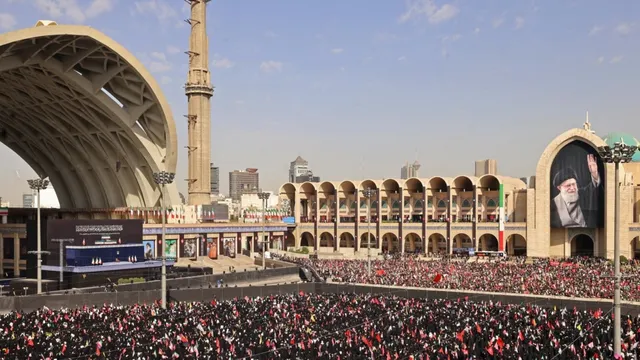
The observance of Muharram involves various rituals and practices that vary across different cultures and communities within Shia Islam. The first ten days of Muharram, particularly the day of Ashura, are marked by intense mourning rituals, including public displays of grief, recitations of elegies, and reenactments of the Battle of Karbala. Many Shia Muslims engage in processions, where they express their sorrow through chest-beating (matam) and other forms of lamentation. These rituals serve not only as a means of honoring the memory of Imam Hussain but also as a way to foster a sense of community and solidarity among Shia Muslims. The emotional and spiritual aspects of these observances are deeply ingrained in the Shia faith, reinforcing the connection between the past and present struggles for justice.
In addition to mourning, Muharram is also a time for reflection and education about the lessons derived from the events of Karbala. Many Shia scholars and leaders emphasize the importance of understanding the historical context of the battle and the principles that Imam Hussain fought for. This educational aspect is often integrated into the commemorative practices, with lectures and discussions held in mosques and community centers. The teachings of Imam Hussain, particularly his stance against oppression and his commitment to truth, are highlighted as guiding principles for contemporary issues faced by Muslims and humanity at large. This focus on education during Muharram helps to ensure that the legacy of Imam Hussain continues to inspire action against injustice and inequality.
The significance of Muharram extends beyond religious observance; it has also become a cultural phenomenon that influences art, literature, and social activism within Shia communities. The narratives of Karbala have inspired countless works of poetry, theater, and visual art, reflecting the deep emotional resonance of the events. Furthermore, the spirit of resistance embodied by Imam Hussain has motivated many Shia Muslims to engage in social justice initiatives, advocating for the rights of marginalized communities and standing against oppression in various forms. Thus, Muharram serves not only as a time of mourning but also as a catalyst for social change, reinforcing the idea that the lessons of Karbala remain relevant in the ongoing struggles for justice and equality in the modern world.