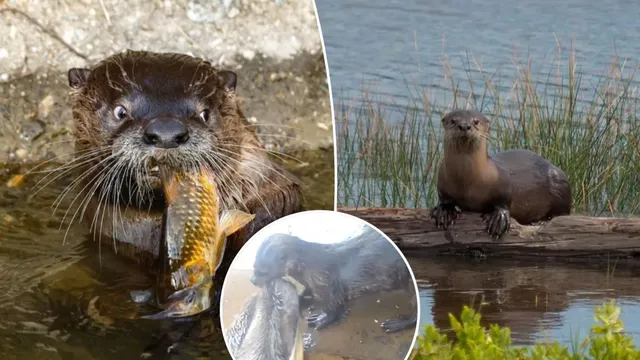
The impact of otter hunting on pelican populations is a complex issue that intertwines ecological dynamics, species interactions, and conservation efforts. Otters, as apex predators in aquatic ecosystems, play a significant role in maintaining the balance of their habitats. Their hunting activities can influence the populations of various prey species, including fish, which are also a primary food source for pelicans. When otter populations are reduced due to hunting, there can be a cascading effect on the ecosystem, potentially leading to an increase in fish populations. This increase may seem beneficial at first glance; however, it can lead to overpopulation of certain fish species, which may disrupt the balance of the aquatic environment and ultimately affect the availability of food for pelicans and other bird species that rely on specific fish populations for sustenance.
Moreover, the hunting of otters can lead to habitat degradation, as otters contribute to the health of aquatic ecosystems through their foraging behavior. They help control the populations of herbivorous species that can overgraze aquatic vegetation, which is crucial for maintaining water quality and providing habitat for various organisms. The loss of otters can result in a decline in the overall health of these ecosystems, which can further impact pelican populations by reducing the availability of suitable nesting and feeding areas. As pelicans are highly dependent on healthy aquatic environments for their survival, any negative changes in these ecosystems can have dire consequences for their populations.
Additionally, the hunting of otters raises concerns regarding the broader implications for biodiversity. The decline of otters can lead to a shift in species composition within the ecosystem, which may favor less desirable species that do not provide the same ecological benefits. This shift can create a less stable environment, making it more challenging for pelicans to thrive. Furthermore, the reduction of otter populations can lead to increased competition among pelicans and other bird species for dwindling resources, exacerbating the challenges they face in their natural habitats.
In conclusion, the hunting of otters has far-reaching implications for pelican populations and the ecosystems they inhabit. The interconnectedness of species within these environments highlights the importance of considering the ecological roles of all species when implementing hunting regulations and conservation strategies. Protecting otters not only benefits their populations but also supports the overall health of aquatic ecosystems, which is vital for the survival of pelicans and many other species. Therefore, it is crucial to adopt a holistic approach to wildlife management that recognizes the intricate relationships between species and the importance of preserving biodiversity.